- Creates a pathway to establish marine protected areas in international waters.
- Regulates extractive activities like fishing and deep-sea mining.
- Ensures more equitable sharing of marine resources and scientific benefits.
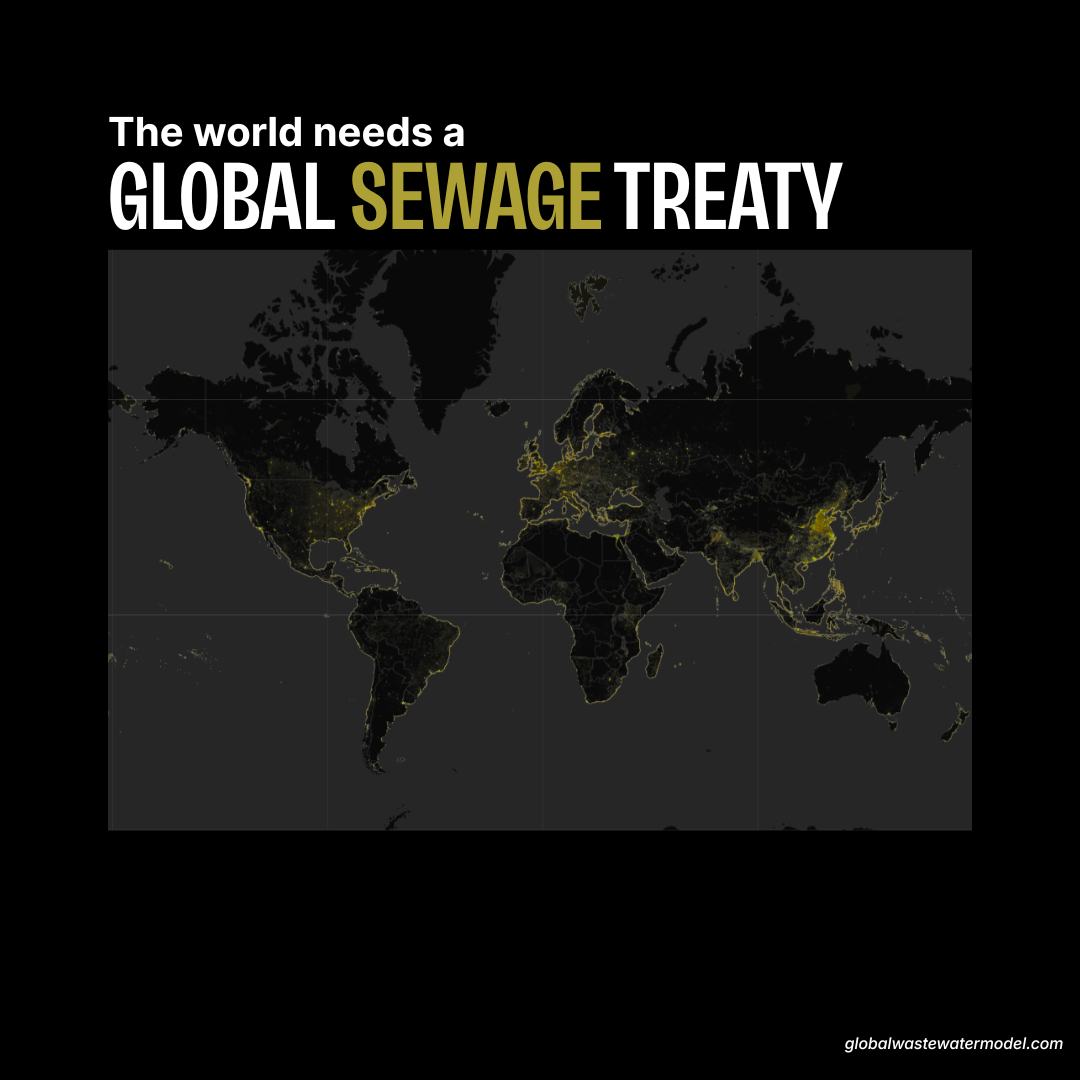
- Has inspired a new campaign for a parallel Global Sewage Treaty.
Some say we should call our world ‘Planet Water’; after all, more than 70 percent of the globe is blanketed in it. The vast oceans, home to a dizzying array of life, affect all our lives — from regulating the climate to feeding billions of people — yet much of this area falls outside any government’s control or protection. Thankfully, this is changing as a new global treaty becomes law.
This January, the High Seas Treaty comes into effect, creating a pathway to govern these international waters and the ocean floor beneath them. It also establishes equitable ways to share the ocean’s bounty among nations. Separately, the treaty has inspired new efforts to protect the ocean from sewage pollution.
.png)
Welcome to the high seas
Thinking about the high seas may bring up images of pirates or endless gray horizons. While few people ever visit these waters, which begin 200 miles from a country’s border, they are critically important for the health of our planet. There, whales migrate, ancient sea sponges grow, and plankton and krill breed, supporting the ocean’s food web. And in this far off water-world, “the impact of what happens … is directly felt in other parts of the planet,” said Dr. Sivaja Nair. She works on the High Seas Treaty with the organization Rise Up. This is because these waters, covering over half the planet’s surface, stabilize the climate and provide food for over three billion people.
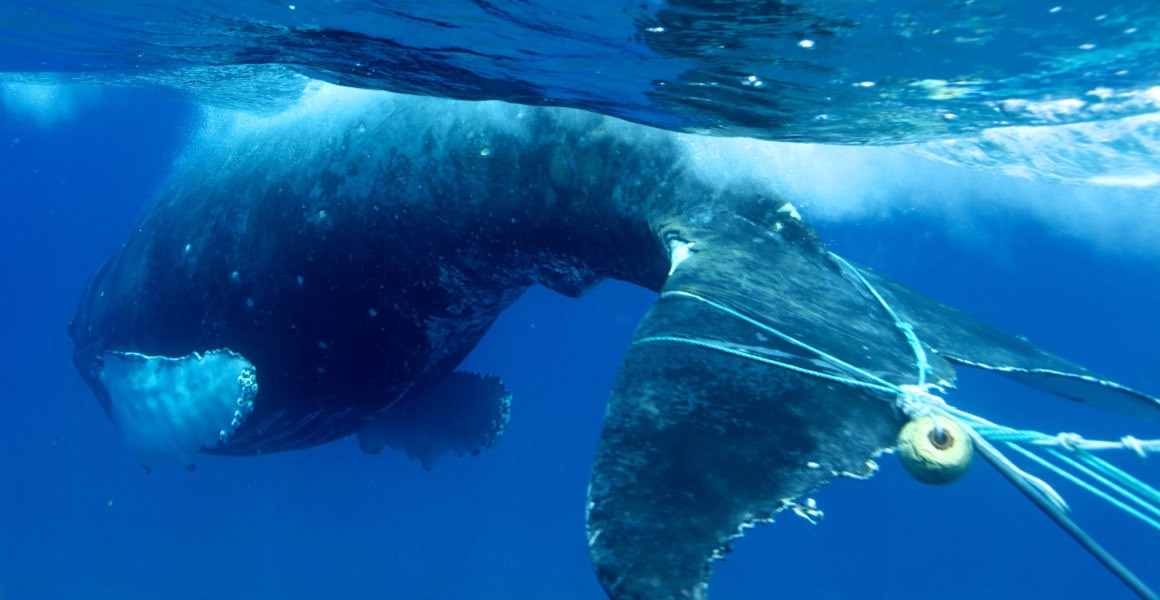
The oceans face many threats, mainly from “industrial over-fishing, destructive fishing practices, deep sea mining, pollution and climate change,” said Nair. Illegal fishing includes over-fishing of species protected in other waters and the use of banned fishing gear that damages all ocean life.
And without a way to govern these international waters, there was no mechanism to create protected areas for marine habitat.
The High Seas Treaty
Over twenty years ago, talks began on the treaty, officially called Biodiversity Beyond National Jurisdiction (BBNJ), with a major goal of protecting biodiversity in the oceans.
It wasn’t easy to come to an agreement, said Nair, because the countries that had long used and exploited the high seas were reluctant to accept regulation. Previously, there were no rules — “you could do anything, any kind of extractive practice without any control or accountability,” she said.
The negotiations also had to strike the difficult balance between priorities of economics and environmental protection, recalled Nair — two considerations that don’t always align.
In 2023, the treaty was finally completed. To date, 145 countries have signed, pledging their support for the idea. The next step was ratification. When a country ratifies the treaty it shows commitment to support and abide by the treaty as it moves from an idea into law. After 60 countries ratify it, the treaty enters into force, meaning it becomes legally binding for the countries who’ve agreed to it.
In September 2025, the sixtieth country signed the High Seas Treaty, which comes into effect on January 17th. To date, 81 countries have ratified it. (The United States has not done so.)
Marine protected areas: wildlife reserves of the oceans
Susana Perera Valderrama, the program officer for Marine Biodiversity at the Cartegena Convention Secretariat of the United Nations Environment Programme, based in Jamaica, is enthusiastic about the opportunities offered by the BBNJ Agreement to the Wider Caribbean Region. She highlights its potential to enable the establishment of new marine protected areas in international waters that can connect with regional protected areas within national jurisdictions, thereby reinforcing the mandate of the Cartegena Convention, and in particular the SPAW Protocol (Specially Protected Areas and Wildlife) — the only legally binding agreement in the Wider Caribbean dedicated to the conservation of marine biodiversity in the Wider Caribbean Region. Such connected seascapes would benefit a wide range of marine species, including her favorites: whales and orcas.
Nair is also excited about establishing the marine protected area, which will “… have a huge impact on the biodiversity conservation, the replenishment of the [fish] stocks, and the stabilization of climate.”
The treaty will also regulate marine research and commercial activities, such as fishing and deep sea mining.
Another aspect of the treaty seeks to make resources found in the high seas more equitably shared among nations, such as sharing scientific knowledge and marine technology, and providing funding and capacity building for lower-income nations.
.jpg)
The long road ahead: from treaty into law
The existence of this treaty alone is something to celebrate; however, turning an agreement into international law won’t come easily, pointed out Nair. The final success depends on continued engagement so “people hold the government accountable, while ensuring the protection of the high seas treaty does not come at the cost of equity,” she said. She’ll bring the voices of Indigenous Peoples, women, youth and local communities to the table as the treaty progresses, ensuring fair access to the seas shared resources.
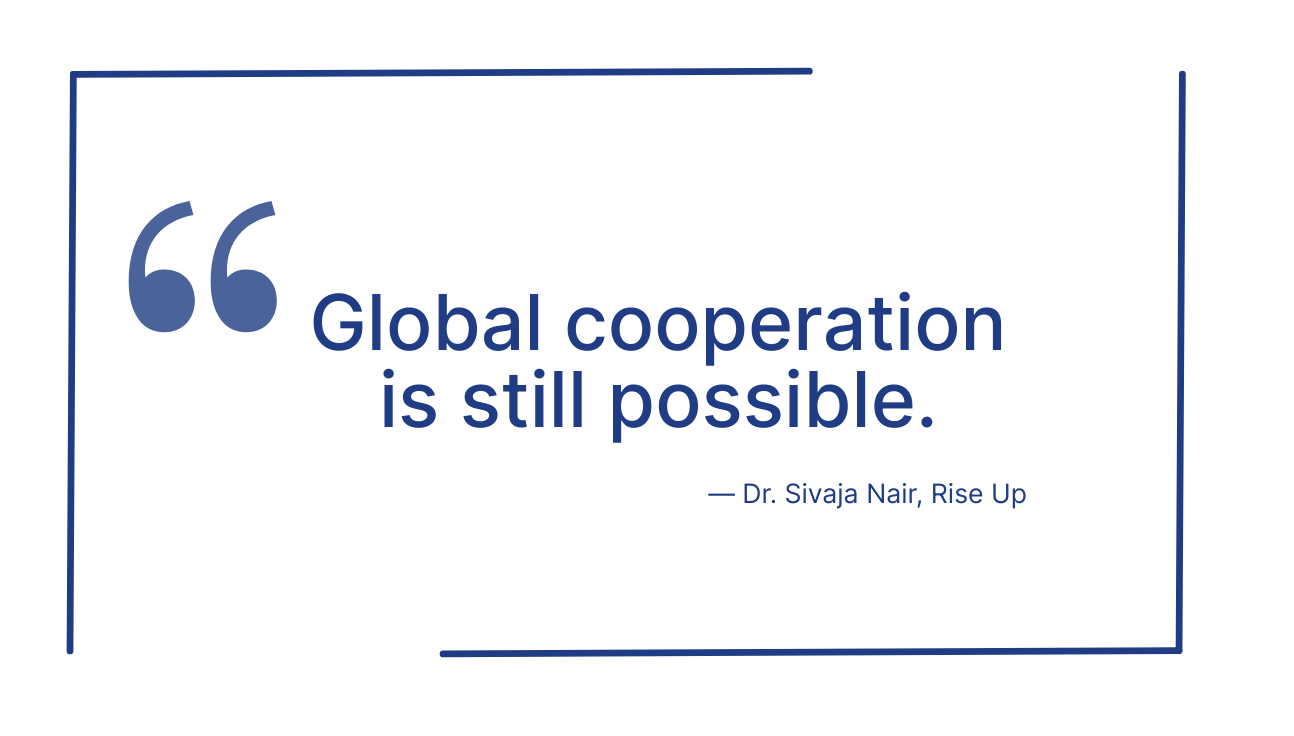
This treaty, for Nair, is “a reminder that global cooperation is still possible,” even as countries had differing priorities.
Perera Valderrama agrees: collaboration is key to solving our global problems, and the transnational ocean is a good place to find common ground.
In the big picture, the ocean is more than a resource, says Nair, but “something that balances everything in the planet, including human lives.”
Next steps, a global sewage treaty
The treaty has already inspired more global efforts: this year, the Ocean Sewage Alliance is tackling sewage pollution at the global scale. Their new campaign for a Global Sewage Treaty aspires to become a United Nations resolution.
You can help, too. Join the movement alongside organizations such as Coral Reef Alliance, Wildlife Conservation Society, The Nature Conservancy, and the World Ocean Council. Sign the Action Pledge to show your support for a Global Sewage Treaty.
Laura Allen is a writer and educator based in Oregon. She co-founded Greywater Action, where she teaches people how to transform their homes to reuse water. She authored the books, The Water Wise Home: How to Conserve, Capture and Reuse Water in Your Home and Landscape, and Greywater, Green Landscape. Her article, For a better brick, just add poop, won the Gold Award in Children’s Science News from the AAAS Kavli Science Journalism Awards (2023). Her favorite pastimes include gardening, hiking, reading and visiting eco-toilets.