

- New global research suggests mangrove forest loss has slowed dramatically, with mangrove forests showing signs of recovery since 2010.
- Crocodiles are ecosystem engineers whose presence supports mangrove restoration by maintaining waterways, sediment flows and healthy habitat conditions.
- Mangrove forests provide coastal protection, store carbon, and support fisheries, making their conservation vital for communities and ecosystems worldwide.
- Addressing wastewater and sewage pollution is critical to sustaining long-term mangrove recovery.
In 2010, Aníbal Ramírez Soto climbed up a mangrove tree to escape the depressing scene below him: row after row of dead mangrove seedlings. This biologist was part of a team trying to reforest mangroves in the Alvarado Lagoon region of Veracruz, Mexico. “I was sitting there crying over my failures,” he remembered, when he noticed something: the healthy mangroves nearby did not grow in straight rows like corn, as he’d been planting. They grew in clusters, round clumps. That’s when the idea hit him; “Eureka!” he shouted, “there’s the solution!”
He climbed down and set to work. Now, 16 years later, his idea led to a highly successful restoration technique, adapted specifically to this region. And this success is part of a larger and hopeful trend that’s happening around the world: mangrove forests are rebounding.
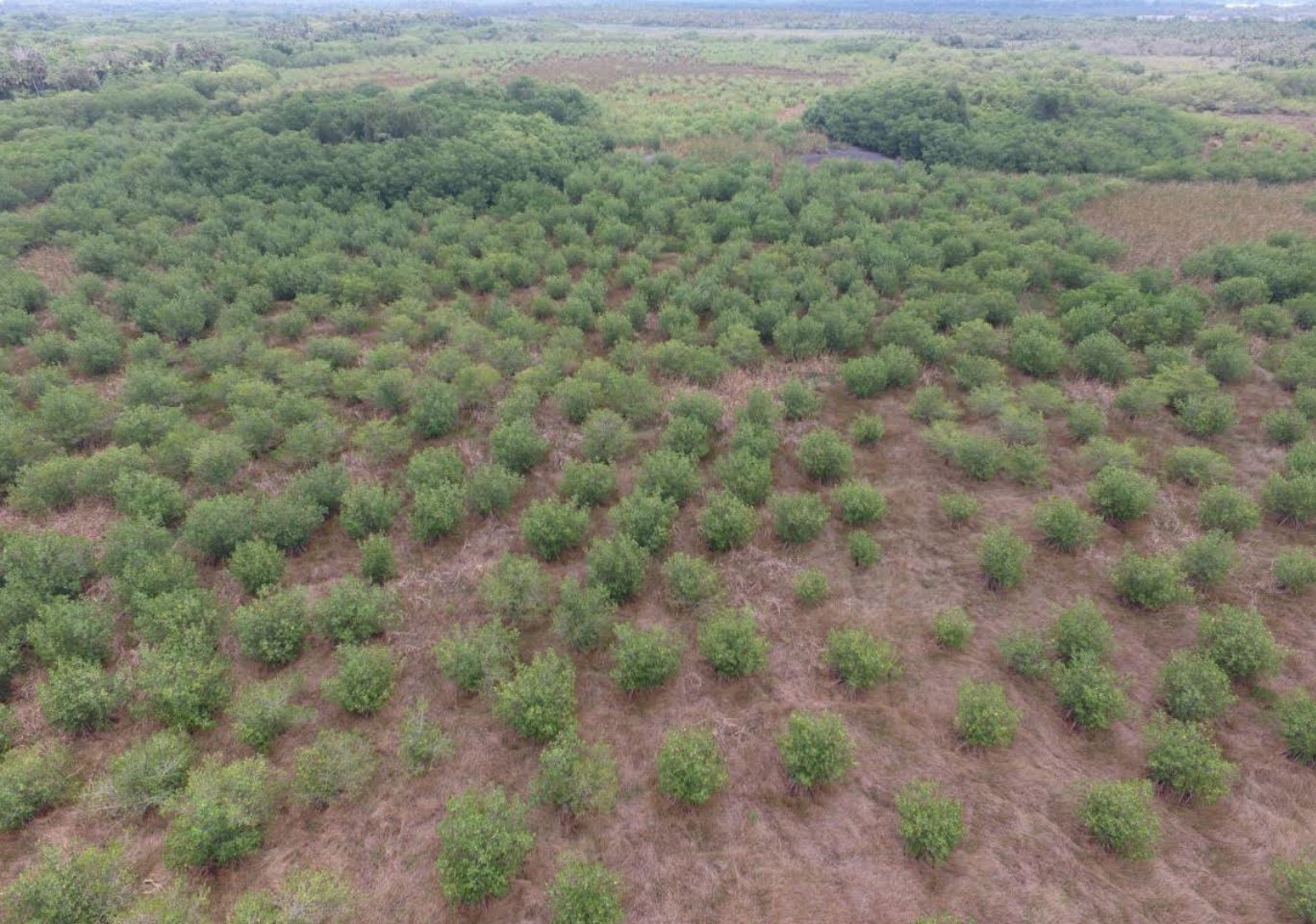
After decades of decline — due to deforestation, pollution and extreme weather — the total area of mangrove forests has started to increase very slightly according to a new study published in Science. The lead author is Zhen Zhang, an environmental scientist at the Mangrove Lab at Tulane University in New Orleans, Louisiana.
This is good news for the future of mangroves and everyone who depends on them. Mangrove forests are critically important to coastal communities and the world at large: they grow in salty water between land and sea, protecting the coast from storms; they store billions of tons of carbon; and they act as nurseries for hundreds of billions of fish each year.
Zhang first worked with mangroves in China where he noticed discrepancies between local and global maps. Local studies showed that mangroves were recovering in the region, but global maps showed them in decline. After seeing the same inconsistencies in other regions, he decided to build a new database with the most accurate information available. His team looked at 40 years of global mangrove forest data and found that since the 1980s total forests have only declined by 1 percent, and since 2010, the forest size began to increase. This shift from decline to increase represents a turning point, one he hopes will inspire more action
“The future of mangroves can be hopeful,” said Zhang, “but only if we continue to protect, restore, and monitor them.”
While there is no single reason for this increase, he attributes it to “a combination of human conservation efforts and natural recovery processes.”
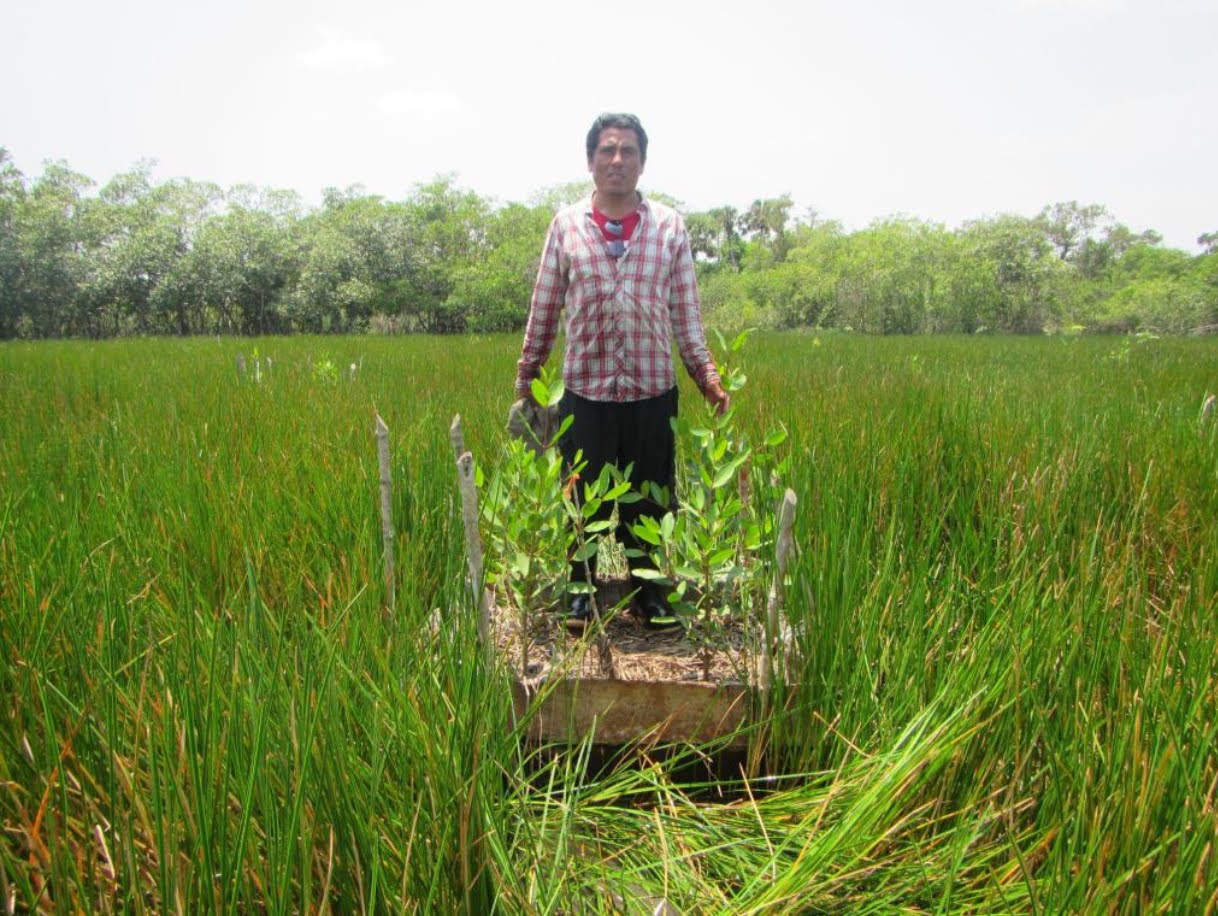
Mangroves make themselves at home in chinampas
Ramírez Soto is now the director of REVIVE, a Mexican nonprofit that restores forests and runs nurseries. The project in Veracruz started out like most mangrove restoration projects: people planting mangroves. But this one quickly shifted to something even better.
After observing healthy mangroves growing in clumps, Ramírez Soto was inspired by a planting technique the Aztecs once used to farm in the shallow lake surrounding their capital city. They built mini-islands, called chinampas, to create suitable growing conditions for their crops. Why not do the same for mangroves?
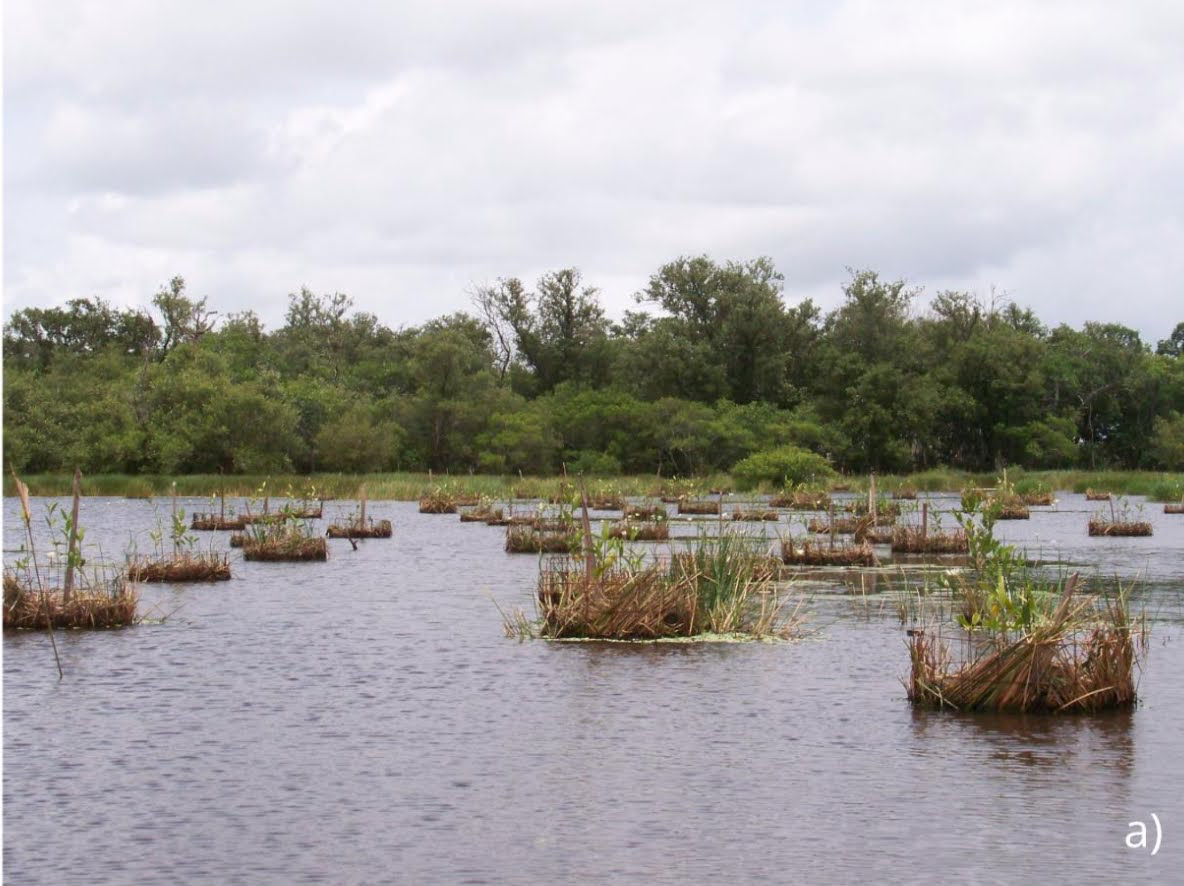
In this region, the land had sunk down after cattle ranchers burned mangroves and the peat soil beneath. Then, mangroves could no longer regrow naturally in the collapsed soils. Building chinampas restored the height of the wetland to pre-disturbance levels.
Constructing chinampas is labor intensive, and it took years of honing the technique, but the efforts paid off. The team built mounds by hand, one square meter in size, 425 per hectare, and planted each with mangrove seedings, 2,125 trees in all. When they went back the next year to count the survivors, they got a big surprise: 4,000 trees! The chinampa, it turned out, was a suitable place for other mangrove seedlings to establish on their own. These seedlings float in the water, but couldn’t root in the sunken land. By building the raised planting mounds, the forest could heal itself.
.jpg)
Globally, around 70 percent of mangrove restoration projects fail. But not here. After two years, mangroves in the chinampas began growing outside the raised planted area. Between seven and eight years after the start of the project, the canopy cover reached 80 percent. Now, Ramírez Soto said, “you practically cannot tell that any restoration took place; the mangrove has simply taken over.”
That success led to a larger trial: 15,000 chinampas over 40 hectares. At present, the projects are so big the team uses machines to build the chinampas.
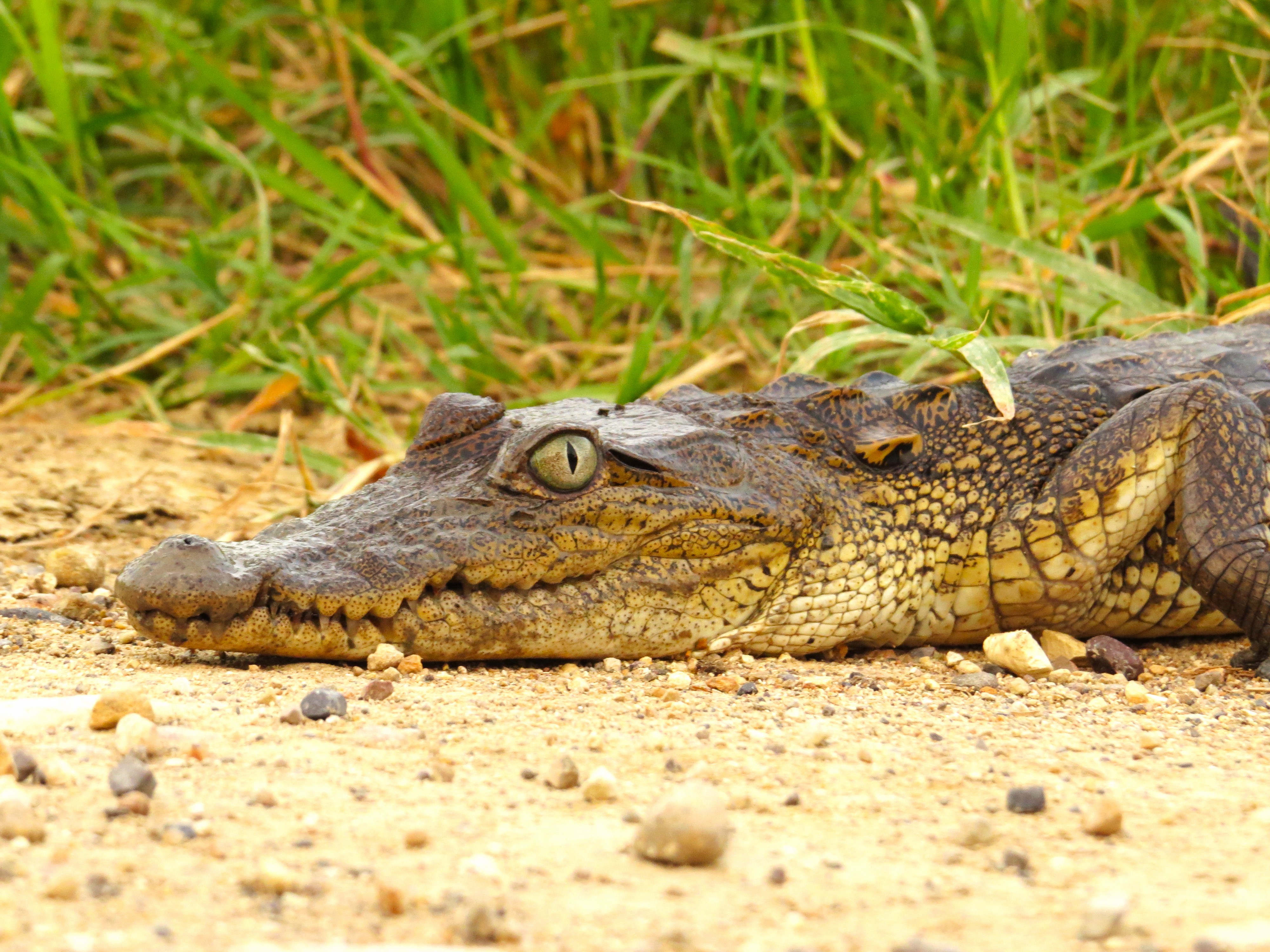
“No crocodiles…no mangrove restoration”
Restoring mangroves isn’t just about the trees. “In nature, animals and plants exist together,” said Ramírez Soto. His team discovered another problem at their restoration site: all the crocodiles had been killed.
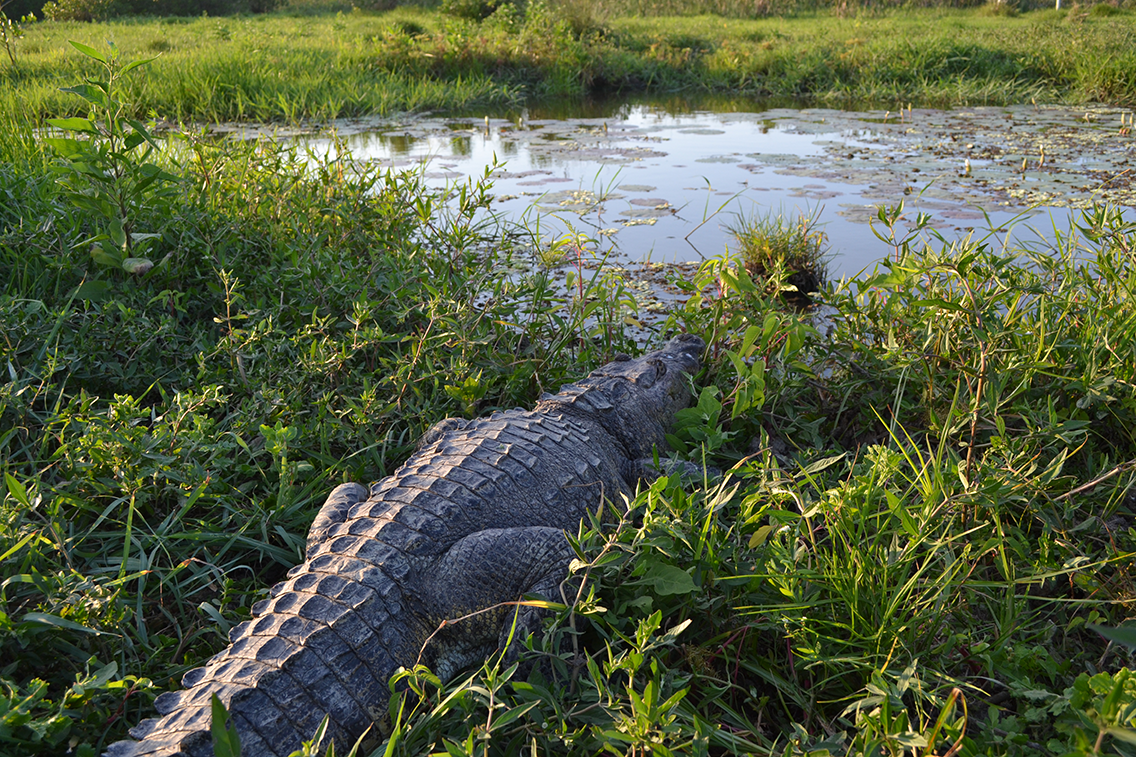
“Crocodiles act as the engineers of the mangrove ecosystem,” explained Ramírez Soto. They move sediment around and clear away plants, carving out waterways and helping water and fish flow in and out of the mangroves with the tides. “If you remove the crocodiles, the mangrove ecosystem collapses,” he said.
Starting in 2017, the team acquired and released around 80 crocodiles of many ages. Biologist Omar Trujillo Santos, also at REVIVE, helped with the releases. He remembers how they carefully carried the tied-up crocs from a truck to a boat, before plopping them into the water. His team also had to educate the locals that the reptiles weren’t too dangerous and that they were important for the ecosystem. It took time, but now some fishermen are even friends with the crocodiles, tossing them fish snacks when they cross paths.
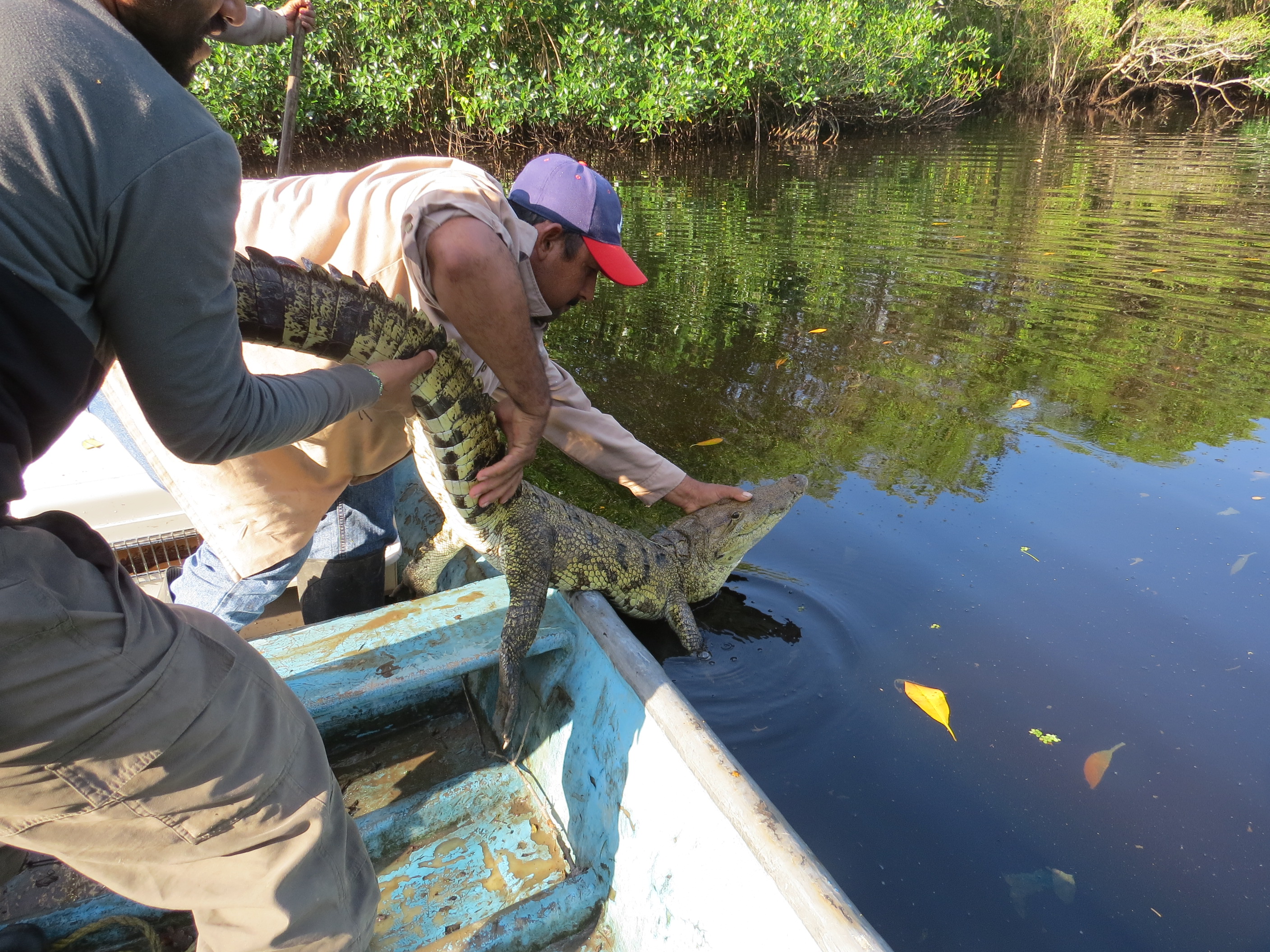
With or without crocodiles, chinampas are not a cure-all for mangrove restoration. You have to first understand the site and what it needs, said Ramírez Soto. In places where mangroves once grew and the soil has sunk down, chinampas are very effective. His work has inspired similar projects in Colombia, Nicaragua, El Salvador and in other parts of Mexico.
These projects contribute to a hopeful future for mangrove forests. However, reminds Zhang, we need to focus on protecting mature mangroves. According to The Global Mangrove Alliance, half of the world’s mangroves are at risk of collapsing.
Untreated sewage and poorly managed aquaculture farms release too many nutrients into the water, stressing and weakening mangroves, said Zhang. Mangroves near the coastal town of Malindi, Kenya, are one example of a forest threatened by sewage pollution. But the town and a local enterprise have a plan.
Poop bricks mean cleaner water for mangroves
Malindi once claimed to be the cleanest town in coastal Kenya, said Effie Akinyi. “But now that glory is going away because of [sewage] pollution.” Akinyi works with Sanivation, a company that specializes in turning poop into a resource.
Currently, the city of 300,000 lacks wastewater treatment; a network of private haulers empty pit toilets and septic tanks. But with no facility to treat the sludge, explains Akinyi, the haulers dump into shallow pits — polluting the groundwater and drinking water — or they dump in a quarry near the ocean — threatening nearby mangroves and the ocean.
The town needed a solution to protect the drinking water, the mangroves, the corals, and the beautiful beaches, popular with tourists.
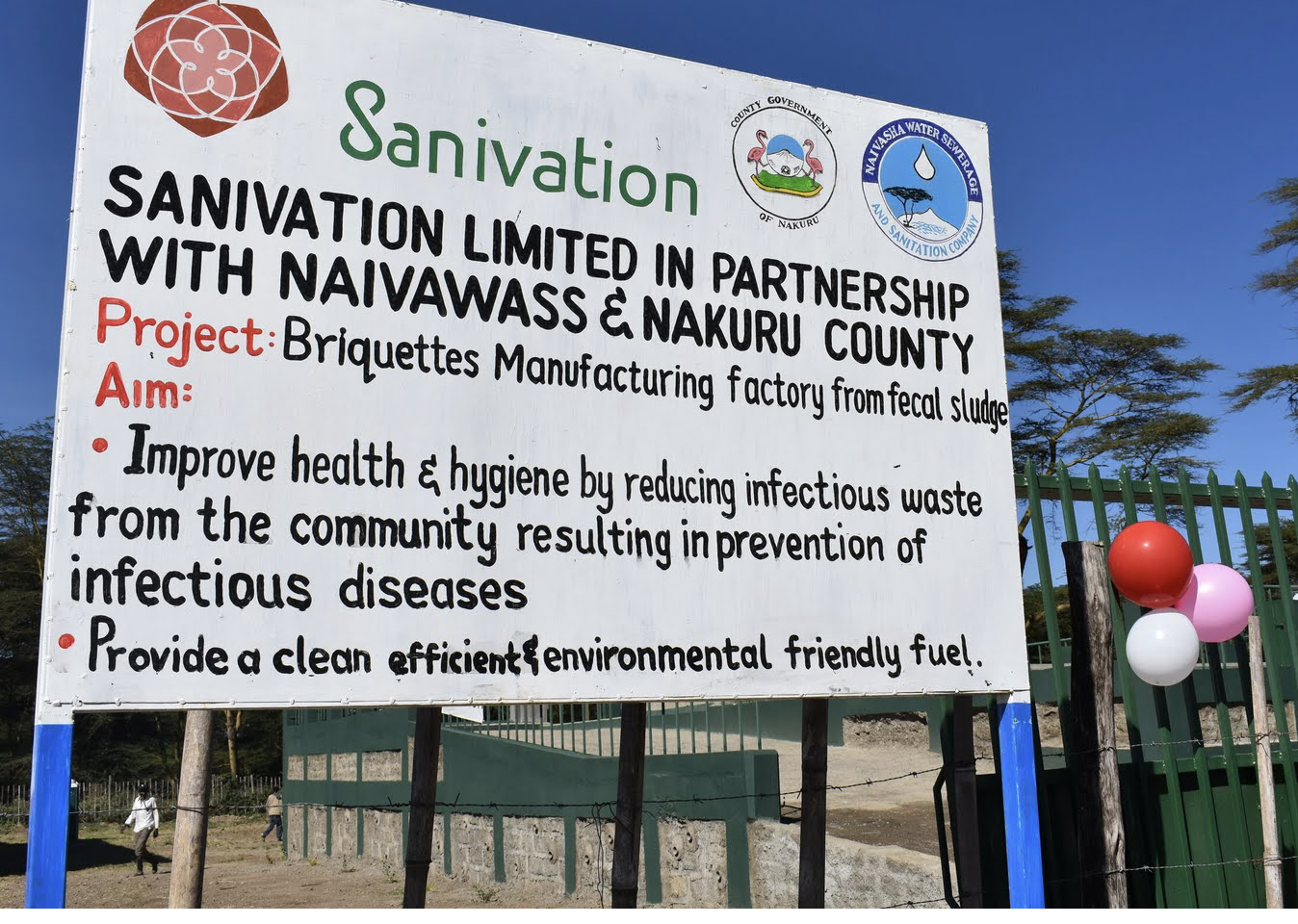
Enter Sanivation. Yes, the poop needed treatment so it wouldn’t pollute, but why not create something useful out of it? Sanivation had past experience managing such a “waste to value” treatment facility in Naivasha town, Kenya. So they worked with the local government to bring this solution to Malindi.
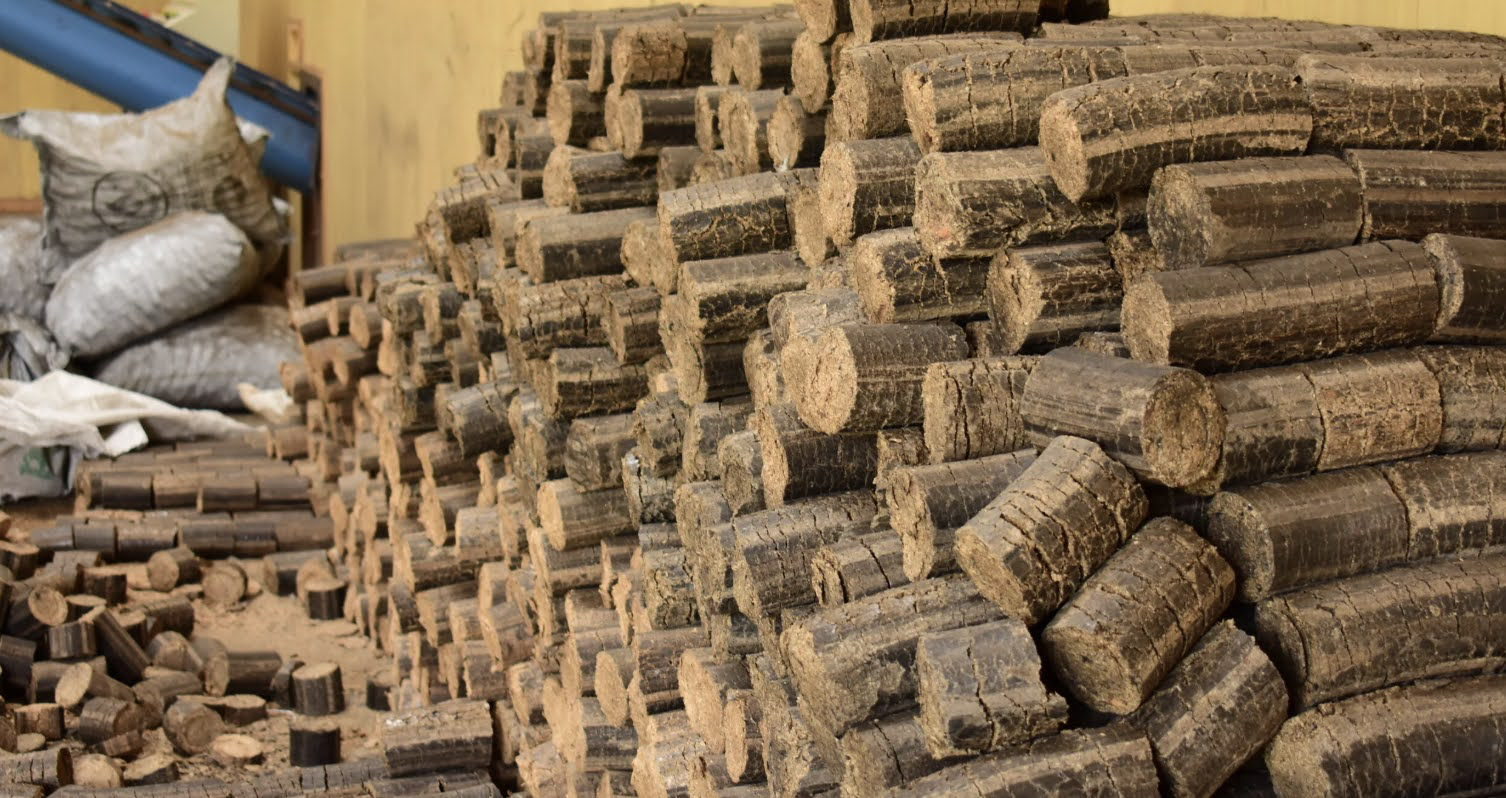
The new plant is scheduled to open this September. It will turn poop into a type of brick that is burnable, an alternative to firewood. In Kenya, explains Akinyi, firewood is the typical fuel for boilers. Replacing wood with organic bricks is another way to protect trees.
The new global mangrove survey shows that mangroves are resilient under the right conditions and that conservation and restoration can work, said Zhang. And though it’s a hopeful story, mangroves still need our protection. He hopes this study encourages more action, not less.
Laura Allen is a writer and educator based in Oregon. She co-founded Greywater Action, where she teaches people how to transform their homes to reuse water. She authored the books, The Water Wise Home: How to Conserve, Capture and Reuse Water in Your Home and Landscape, and Greywater, Green Landscape. Her article, For a better brick, just add poop, won the Gold Award in Children’s Science News from the AAAS Kavli Science Journalism Awards (2023). Her favorite pastimes include gardening, hiking, reading and visiting eco-toilets.
.jpg)


