

- Microbes play a vital role in treating wastewater and removing pollutants.
- Some microbes can turn the organic matter in wastewater into electricity.
- Wastewater contains valuable nutrients that can be recovered and used as fertilizer.
- Microbial fuel cells have been tested in bathrooms, schools and other real-world settings.
- Treated wastewater from microbial fuel cells can also provide nutrients for hydroponic food production.
When it comes to cleaning water, microbes are the stars. They digest sewage sludge and purify wastewater. Now, scientists are tapping into another quality of some species — making electricity. This new tech can also be combined with hydroponic gardening to grow crops in a climate-friendly way.
Engineer Yannis Ieropoulos knows that the wastewater treatment plant is a great place to find microbes. His team at the University of Southampton in the United Kingdom takes samples there, looking for new species to use in their research. And there are oodles of microbes to choose from — one study found a billion different types!
These microbes feed on the dirty water from our homes and businesses. In the plant, the solids in wastewater (poop, food scraps and toilet paper) are separated from the liquids. In conventional wastewater treatment systems, anaerobic microbes, those that live without oxygen, digest the poopy sludge, killing pathogens and releasing methane gas in the process. This gas can be captured and used for fuel. The end result, sewer sludge, is nutrient-rich and can be put to good use.

The liquid portion of wastewater is treated in open pools where oxygen bubbles enable a different group of microbes, aerobic (oxygen-loving) bacteria to thrive. They eat up the pollutants and organic matter in the water, and with enough further cleaning, the treated water can be safely used for irrigation, or even to drink again.
Even small, neighborhood-sized wastewater treatment systems, such as at Ecoparque in Tijuana, Mexico, use microbes. There a biofilter, teeming with microbes, eats up pollutants as the water trickles through the filter.
All this treatment is good — it protects rivers and oceans from pollution; it stops the spread of disease — but it also misses out on the full potential of wastewater, the energy inside. A new method of wastewater treatment, one that Ieropoulos studies, uses microbes to capture the electric energy in wastewater.
Tapping the power of dirty water
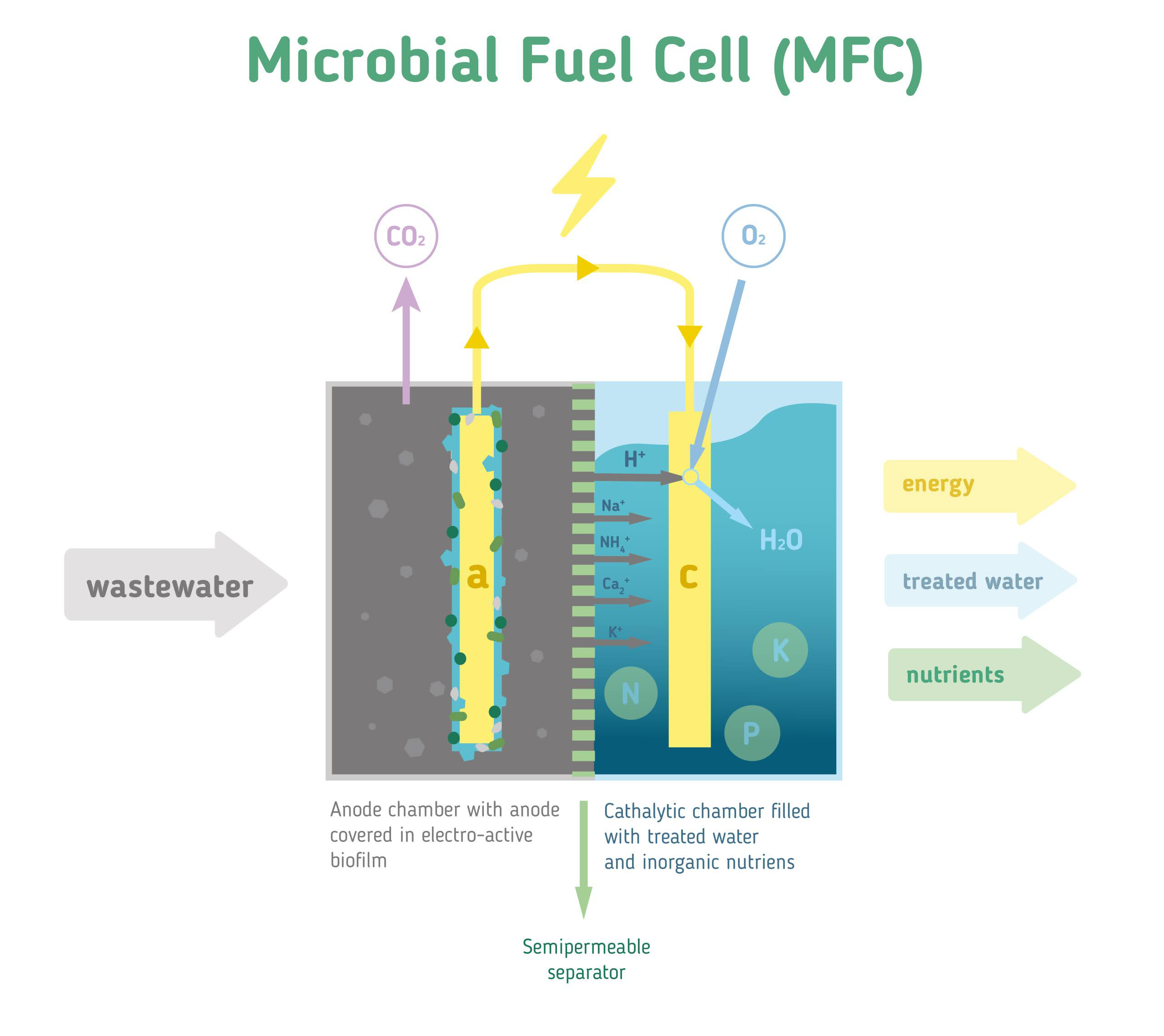
Ieropoulos started out as a robotics engineer, but in 2002, when looking for a power source for autonomous robots, he ended up in a microbiology lab. There he began working with the type of microbes that generate electricity when living inside a microbial fuel cell. This fuel cell is essentially “a battery, but one that doesn't run out as long as we feed it with bathroom waste,” he explains.
At first, Ieropoulos worked to utilize this technology to power robots, but the microbial fuel cell also cleans dirty water, and so he saw a more pressing need for it. His team went on to develop a stand-alone bathroom that processes urine and lights up the building. This can be used in combination with waterless toilets, such as dry or composting, to process both urine and feces. And with future developments the technology could treat more wastewater, thus protecting people and the environment from sewage pollution.
These microbes are electric
Microbes live using a variety of processes. Some get their energy through anaerobic respiration, explains Ieropoulos. This is a bit like how people breathe in oxygen and breathe out carbon dioxide. But instead of exchanging gasses, the microbes take in organic matter and what they excrete carries electrons. (It’s sort of like they poop electrons.) They do this wherever they are — in a wastewater treatment plant, at the bottom of a lake or even in the drain of your toilet. But when they live in a microbial fuel cell, the excreted electrons flow through a wire and make a current: electricity.
Another different type of microbe attaches itself directly to the electrode in the fuel cell, explains Ieropoulos. Instead of excreting electrons, the electrons flow out from their inner digestive system, across the membrane that is touching the electrode, to create an electric current.
A few examples among many of these elecroactive bacteria are Shewanella oneidensis, Geobacter sulfurreducens and Pseudomonas aeruginosa. Once a fuel cell is filled with these electric microbes, all they need is food.
While this may sound a bit like science fiction, these microbes are actually quite common. They’re found in various stages of wastewater treatment; they’re found in the ground; they’re found in rivers, in lakes, in pond muck, in the ocean, on sea floor and in toilet drains.
Ieropoulos’s team takes samples from these places and then back in the lab, they breed the bacteria they want by feeding the electroactive microbes the nutrients they need. Next, they harvest the microbes to stock the fuel cells.
Each time they collect from a new place and analyze their samples, they find yet another species that is electroactive. Some bacteria are more efficient at making electricity than others. So far, the most efficient type the team has found came from a toilet drain.
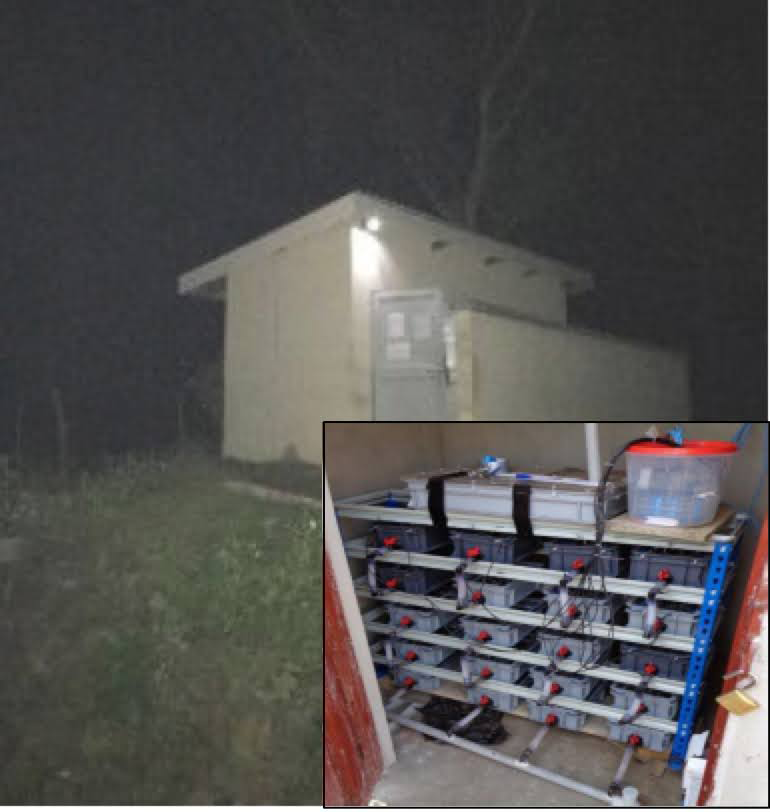
Over the past decade, his team created a prototype bathroom that runs on urine to power lights. They’ve installed them at music festivals in the UK and schools in Africa. One project lit up the bathrooms at a girls’ school in Uganda and made the girls feel safer when using the toilets at night. Another of their projects used urine to power an electronically operated faucet and a team from Chonqing University in China placed a microbial fuel cell in a sink drain to generate power and clean the water.
These systems aren’t yet used in wastewater treatment plants, even though there is lots of potential power to harvest. A study published in early 2026 found the world’s wastewater holds around 800 gigawatt hours of electricity; that’s enough to power over 700 million American homes each year. Plus the nitrogen and phosphorus in the water could be used to fertilize crops and grow more food.
For fertilizer, farming and power, all you need is wastewater
In many ways, this prototype developed by Ieropoulos’s team is ready for prime time. The pilot project at the Ugandan girls school ran for a year, and people who used the toilets wished for more of them in the community. But to move from the university setting out to the world requires support from commercial partners. Investors and entrepreneurs must see the promise of this system and support the transition, and not simply compare it to existing systems, those which have benefited from centuries of use and development, said Ieropoulos. And that can be a challenge.
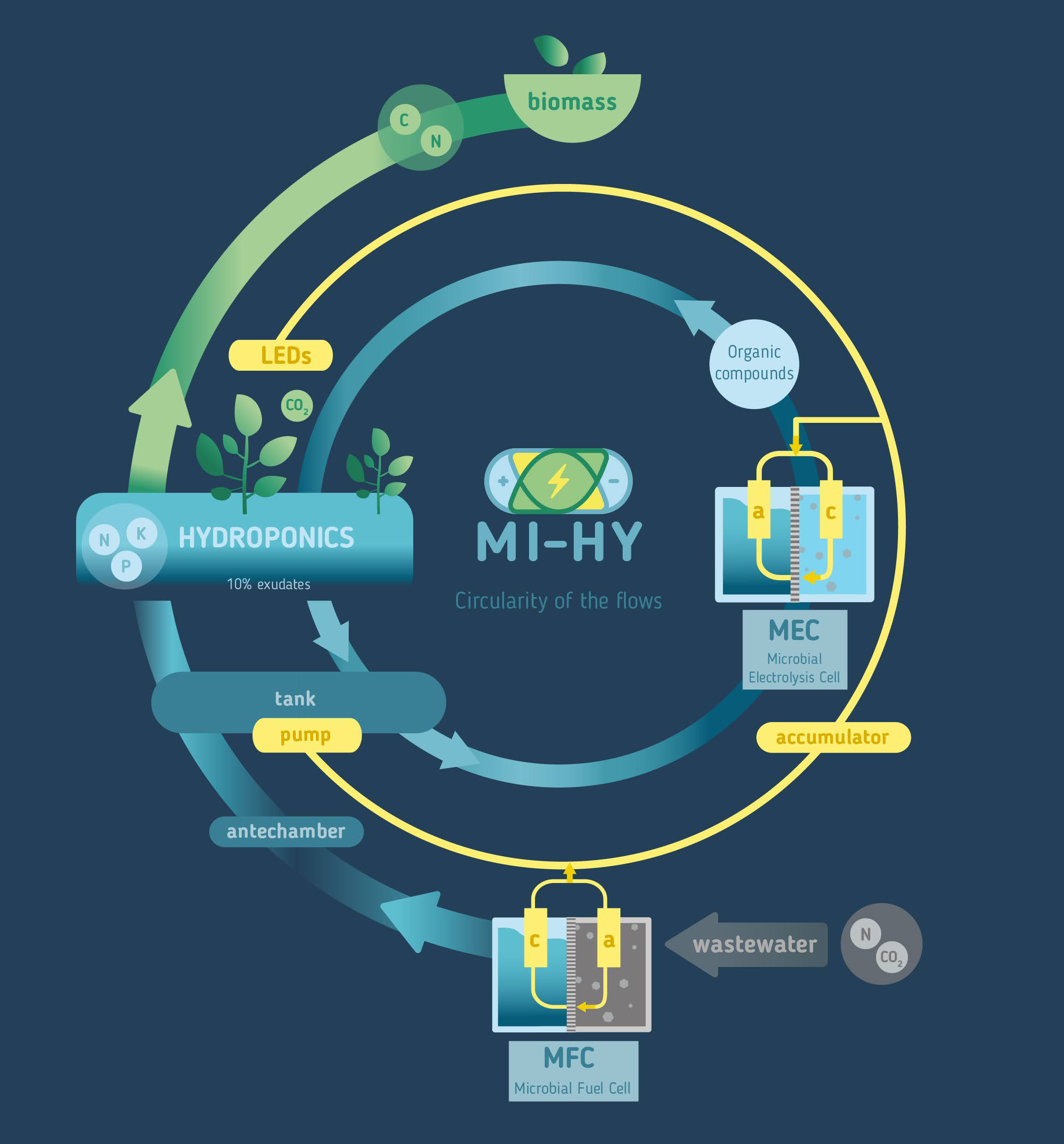
His team has found a new place to use the technology though: growing food. It turned out, with some very easy tweaks, the water leaving the microbial fuel cell can flow straight into a hydroponics system as the nutrient solution, said Ieropoulos.
This closed-loop system makes it possible to grow food anywhere, all it needs is wastewater. The electric microbes are the heart of an all-in-one system that cleans wastewater, makes energy, and grows food. The project is called mi-hy; that’s short for microbial fuel cell hydroponics, and it includes Ieropoulos’s team as part of an international group of six other partners.
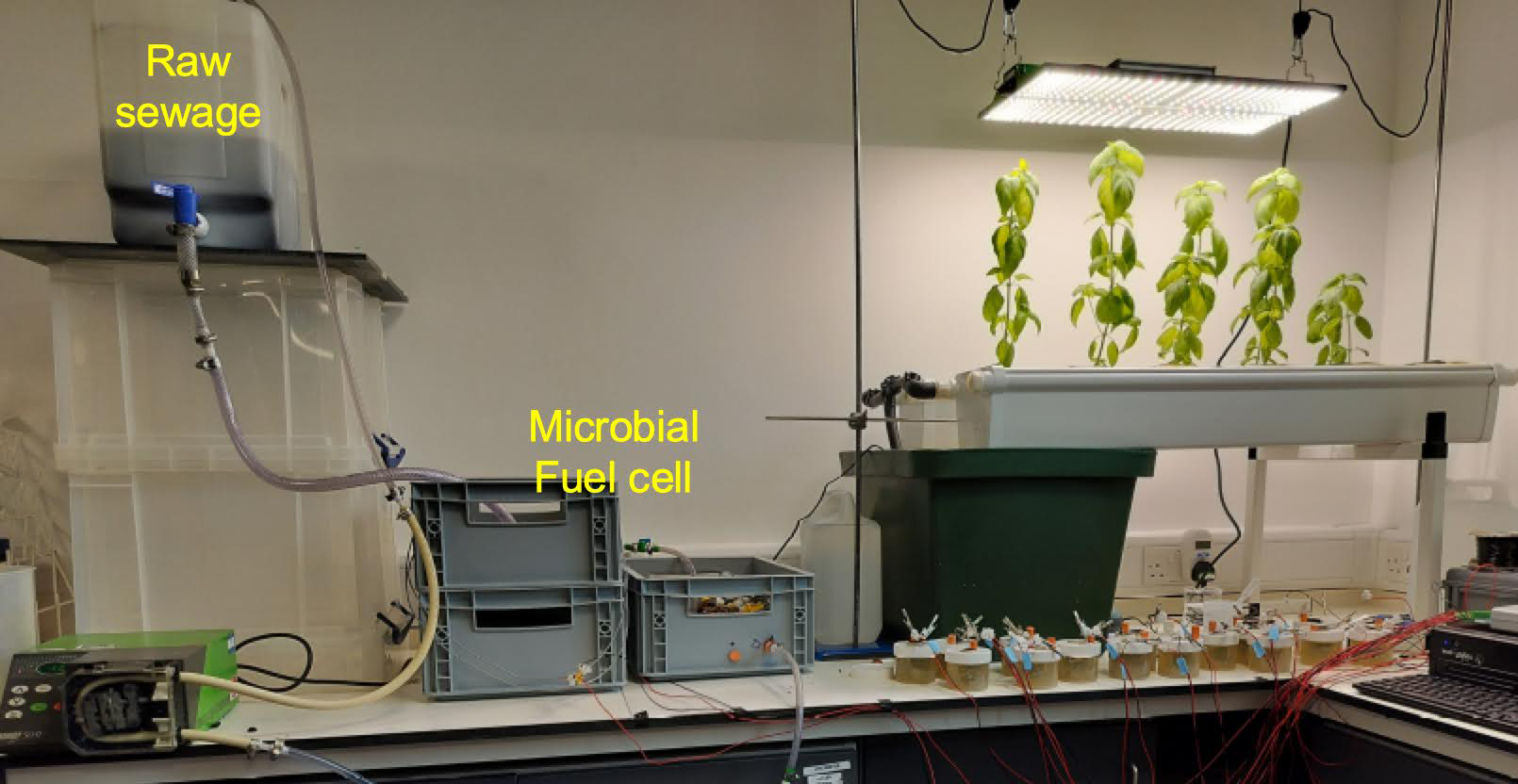
They want to share this technology. With their DIY microbial fuel cell plans, you can actually make one at home. Download the plans here; you’ll also get tips on where to find these electric microbes near your own backyard.
Laura Allen is a writer and educator based in Oregon. She co-founded Greywater Action, where she teaches people how to transform their homes to reuse water. She authored the books, The Water Wise Home: How to Conserve, Capture and Reuse Water in Your Home and Landscape, and Greywater, Green Landscape. Her article, For a better brick, just add poop, won the Gold Award in Children’s Science News from the AAAS Kavli Science Journalism Awards (2023). Her favorite pastimes include gardening, hiking, reading and visiting eco-toilets.


.jpg)
