

When you were the size of a sea squirt, you floated like a fish in your own personal ocean and slept in a salty water bed, lulled by the rhythmic beating of your mother’s heart. You grew: cells dividing again and again, each one carrying the genetic memory of when all life was ocean-bound. Yet even while safely tethered in the dark womb, the world reached in. Human-made pollution touched across placenta and umbilical cord, with harms to a growing life not well understood.
When you were the size of a common octopus, you emerged, separated from your personal ocean to become connected to the earth’s. You grew: lungs inhaling oxygen produced by sea life, in a climate stabilized by the sea, in a world fed by the sea. Outside of the womb, the bond is two-way; your daily life touches faraway waters, for the good or bad. Trash and pollution, stewardship and protection.
Our fates are interlaced, people and ocean. With our actions, our choices, we all can give back to the sea: parents and children, scientists and students, governments and farmers, and poets.
In the first line of the poem “Ode to Our Oceans,” Amanda Gorman writes, “The sea sings out to its many saviors.” Next she describes teenagers at climate strikes, scientists with their data, and a child who stoops to pick up trash.
Here are six more protectors — steering-committee leaders at the Ocean Sewage Alliance — to whom the sea sings.
Protect the places we love: Amy Zimmer-Faust
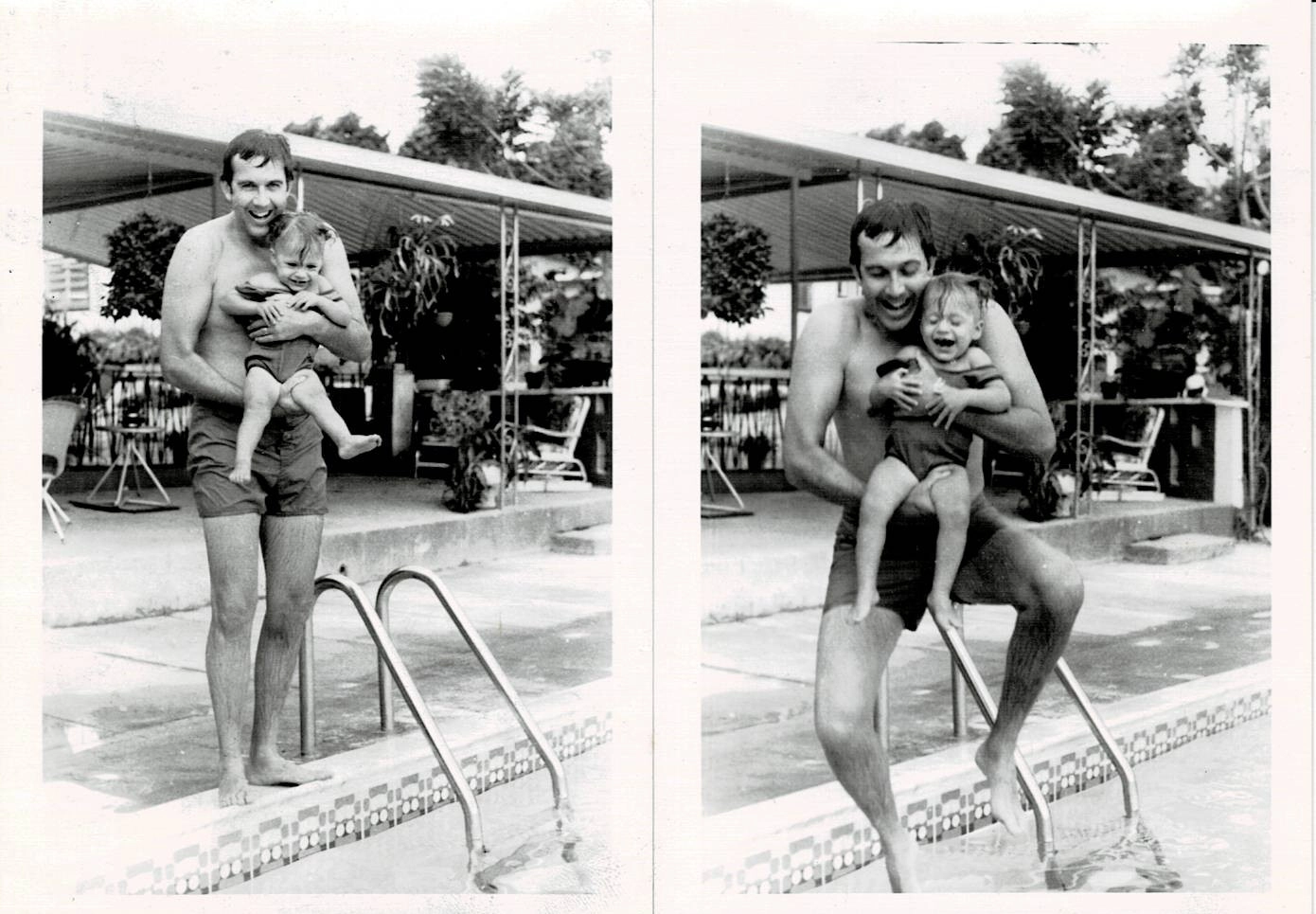
When Amy Zimmer-Faust was five-years old, she lived on a barrier island off the coast of Alabama. One side of the island was full of trash, brought in with the ocean current, but the other side was clean. Seeing human trash pollute her home motivated her to protect the places that mean so much.
Zimmer-Faust stayed connected to the water: she grew up to be a swimmer, a surfer and a scuba diver. And she continued to see the impacts of pollution on the ocean. During her studies — in public health, environmental science and engineering — she moved into data collection. She ran Surfrider’s water quality monitoring programs and continued learning how to make data more accessible, so people could better manage wastewater.
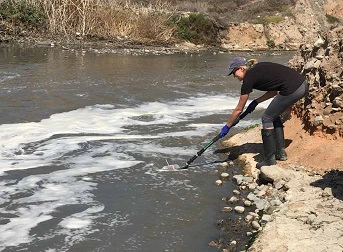
where the treatment plant discharges
partial primary-treated effluent into the coastal ocean. Photo: SCCWRP
In graduate school Zimmer-Faust sampled water from the now-famous Tijuana sewage plume — untreated wastewater flowing on the US/Mexico border. There, she was troubled by how lack of access to the data left people in harm’s way. “People were fishing and swimming nearby and had no awareness that they were being exposed to raw sewage,” she said.
At The Nature Conservancy, she led the wastewater pollution program. Through this work, she’s learned solutions can sometimes be as simple as taking a wider look at the situation. For example, said Zimmer-Faust, instead of focusing on the cost of wastewater treatment, we can include the savings if wastewater were properly treated. The upfront investment would negate the need to pay for cleanup or other ecosystem protection, plus clean water helps bring in tourism dollars.

Associate Director, California Oceans, The Nature Conservancy
Zimmer-Faust joined the steering committee at OSA two years ago and feels lucky to be with this diverse and curious team and to be “part of fun conversations that really focus on very complex issues,” she said.
Protect coral reefs: Helen Fox
Coral reefs are one of the most complex and biodiverse ecosystems on the planet. They support a quarter of all ocean life and benefit an estimated billion people by providing food and livelihoods, protecting coastlines, and helping capture carbon. Harm to coral reefs is already rippling through the ocean, with impacts around the globe.
“Are you familiar with the documentary Chasing Coral?” OSA steering committee chair Helen Fox asked. This 2017 film captured the global crisis of coral reef bleaching — the rapid death of corals due to climate change induced ocean warming. The movie opens with the shocking statistic that half of the world's coral reefs have died since 1989.
Seeing the footage of dying reefs combined with the massive scale of loss since 1989 struck Fox especially hard; that was the same year she learned how to scuba dive.
It was after she’d graduated from high school, and her family went to Australia for her dad’s sabbatical. She audited classes on coral reef ecology, and later waitressed at the Heron Island Resort on the Great Barrier Reef where she snorkeled on her breaks, and learned to scuba dive. That was the year she fell in love with coral reefs.
Human impacts on coral reefs became the center of her future studies. For her PhD work, Fox studied reefs in Indonesia destroyed by blast fishing — an illegal practice using explosives to kill fish for easy capture. Even with her head down, looking for baby coral growing amidst rubble fields, she still saw amazing life, such as sea snakes or little blue ring octopuses. Most stunning were dives among healthy coral: one dive in North Sulawesi, Indonesia, “felt like being in an underwater cathedral,” she recalled, with soaring towers of many different types of corals.
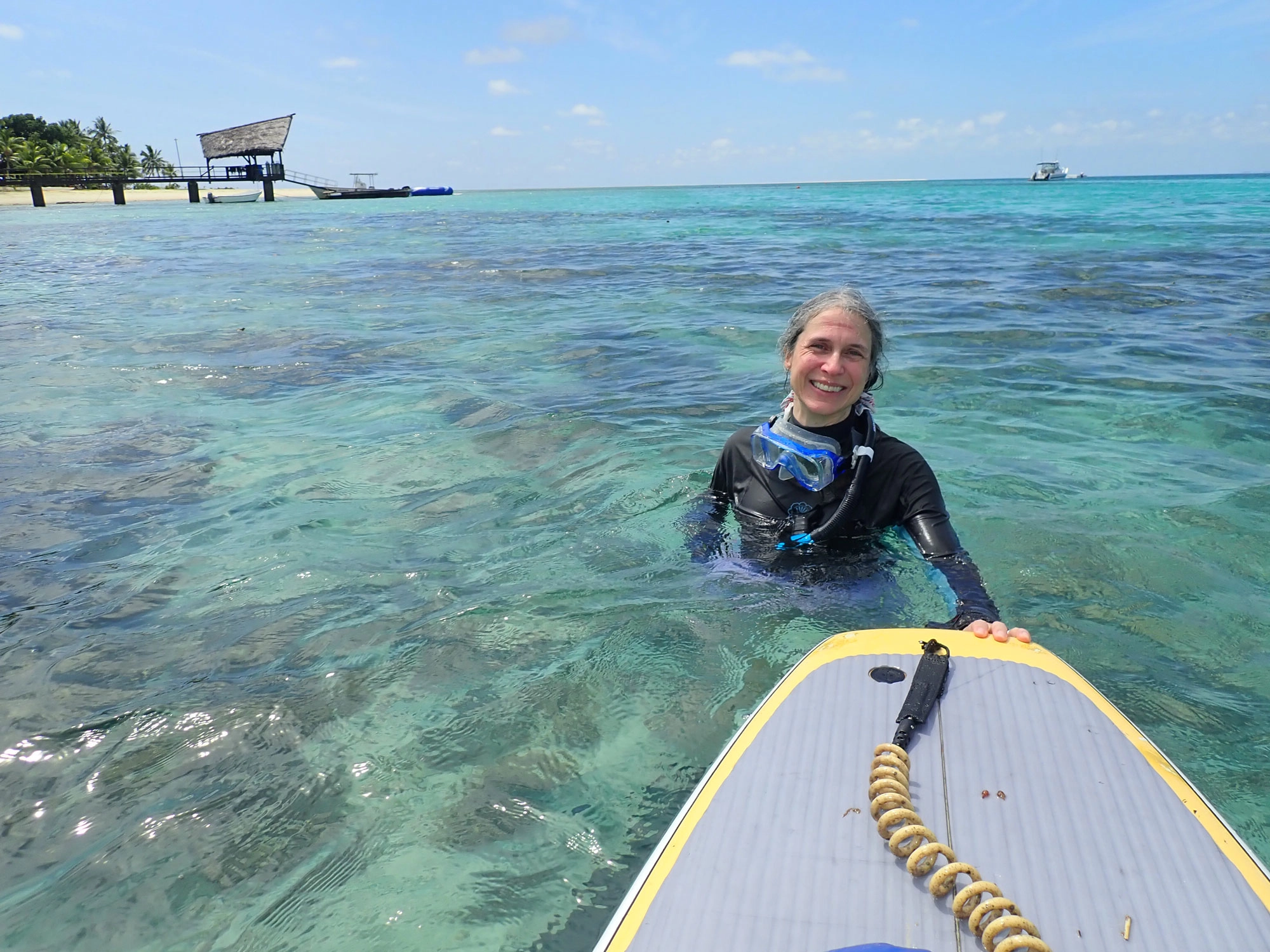
Conservation Science Director, Coral Reef Alliance
Her career grew into jobs studying and improving human impact on the marine environment. She’s worked with the World Wildlife Fund, Rare, the National Geographic Society, and now the Coral Reef Alliance (CORAL).
At CORAL, Fox met with colleague Jos Hill and Stephanie Wear of The Nature Conservancy, who’d begun tackling sewage pollution. Fox learned how untreated sewage introduces bacteria, chemicals, and excess nutrients to the reefs, which fuels harmful algae growth and kills corals. The three decided to team up to amplify the efforts of the conservation community in the fight against sewage pollution with a new organization: the Ocean Sewage Alliance.
From citizen science to action: Jos Hill
Sewage pollution was too long ignored by the conservation community, said Jos Hill. For all the biologists who came into the field for the joy of diving in coral reefs, “why would [they] want to work on coastal development and sewage?” reflected Hill.
Sewage is a tricky problem: its mismanagement is terrible for coastal marine life, like coral reefs, as well as public health, and it harms the economy, but too few focus on fixing it. This was just the challenge Hill wanted to help solve.
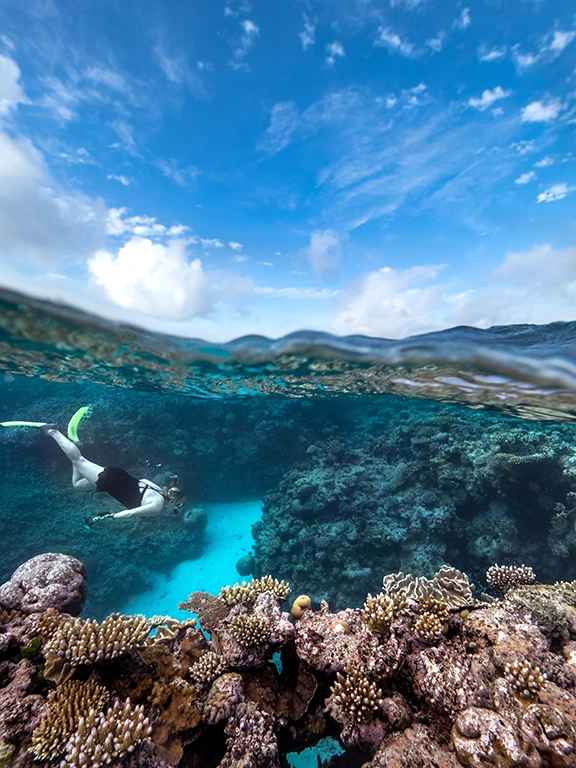
Photo: Mark Fitz/Ocean Image Bank
Her career didn’t start with sewage, however. She found her love for coral reefs in Australia while seeking an adventure far from her home in the U.K. There, she discovered diving and the Great Barrier Reef. Hill went back to college, then traveled to Indonesia to monitor coral reefs. She learned more about the complexity of protecting corals and how the reefs were tied into culture and people’s lives. She saw some reefs that were stunningly beautiful and others blown up by blast fishing.
Hill went on to start a nonprofit called Reef Check Australia. This organization trains people in citizen science to monitor reefs. It was meaningful work, but early on Hill realized she didn’t want to tell stories of destruction; she wanted to implement solutions.
Some of this solution-based work has included research to support seafood farming, policies to protect coastal habitats and design of watershed restoration projects. She now leads The Nature Conservancy’s Wastewater Pollution program.
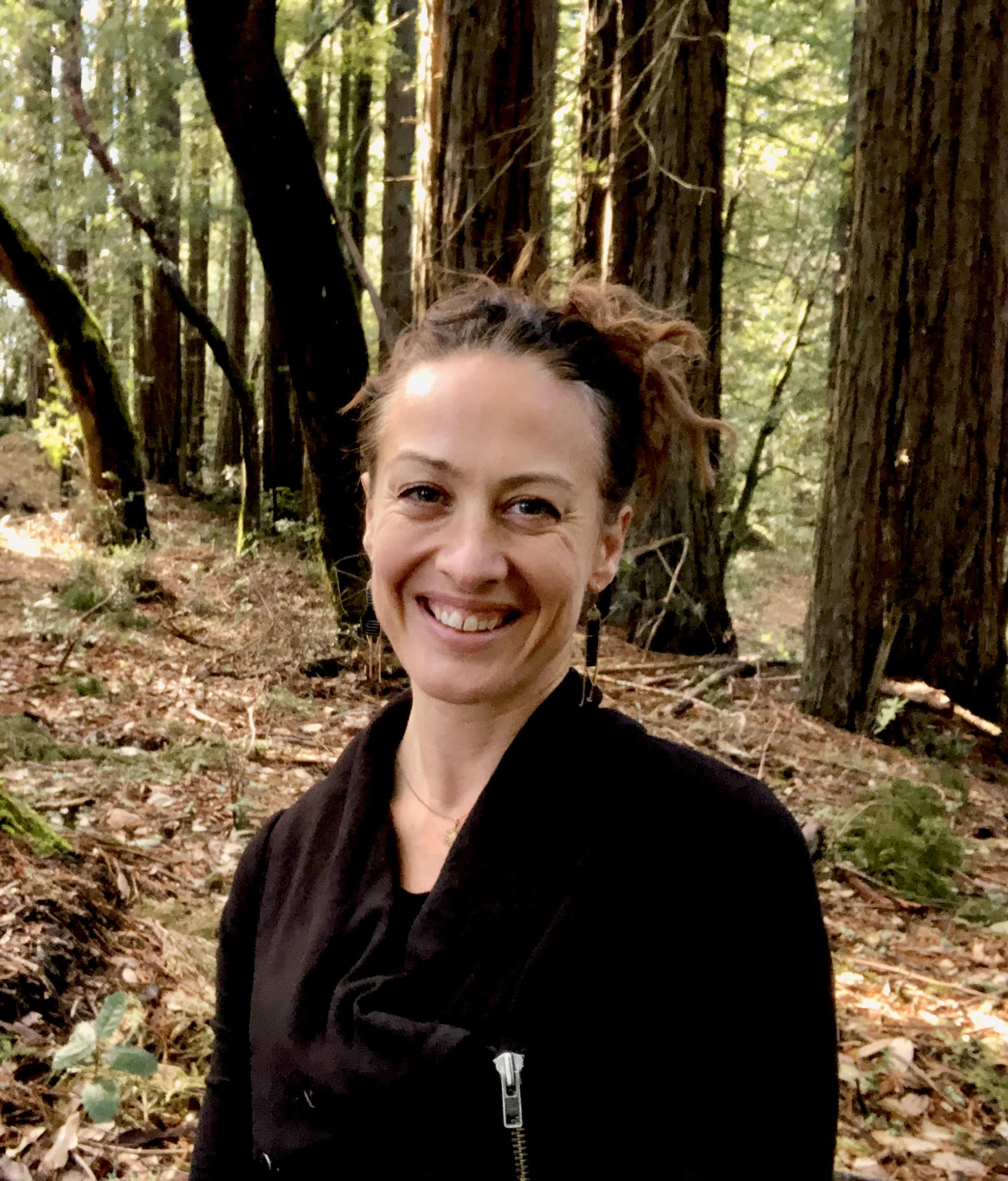
Program Director, Wastewater Pollution, The Nature Conservancy
The sewage problem is important, yet people can get overwhelmed by the number of issues to solve. That’s why Hill integrates wastewater solutions into existing conservation work: to help investments succeed and support these marine ecosystems that not only provide food, but also economic benefits and protection for coastal communities.
Now, Hill lives in Oakland, California, where she kite surfs in the San Francisco Bay and delta and thinks about how to weave solutions to sewage pollution “into that bigger story of what people already care about.”
Ocean health is public heaLth: Jasmine Fournier
Sometimes, a new perspective helps us see what really matters, like when astronaut Bill Anders snapped the first color photo of Earth from outer space on December 24th, 1968. Earthrise: a blue marble in a sea of black space, rose above the moon’s desolate surface. “All of humanity appeared joined together on this glorious-but-fragile sphere,” wrote Anders.
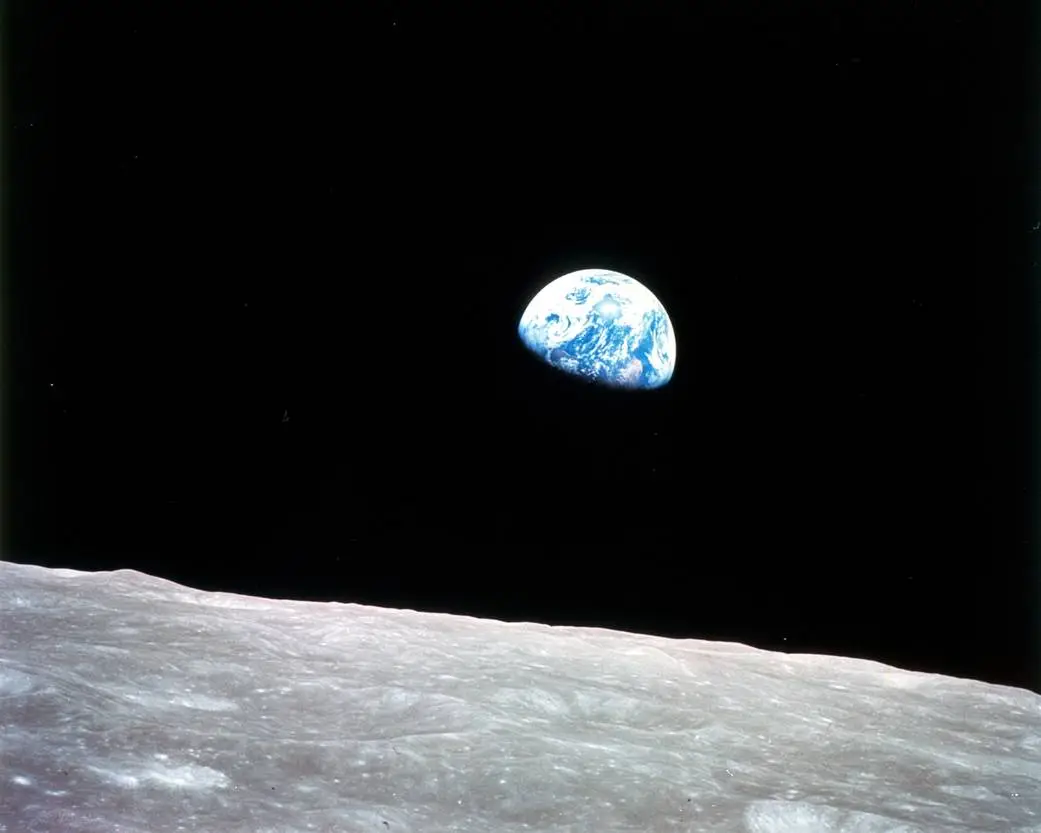
The Earthrise photo helped spark the environmental movement in the United States. After it, twenty million people protested harm to the planet on the first Earth Day. The effort continued and within a few short years the EPA was formed (1970) and key legislation became law, including the Occupational Safety and Health Act (1970), the Clean Water Act (1972), the Marine Mammal Protection Act (1972) and the Endangered Species Act (1973).
Then decades passed before there was a global treaty to protect the ocean. This year, the High Seas Treaty came into effect, with the goal of protecting international waters. And the Ocean Sewage Alliance is spearheading efforts for a global sewage treaty.
Jasmine Fournier, executive director of OSA, leads these efforts. And she, too, has shifted her perspective several times to arrive at this position.
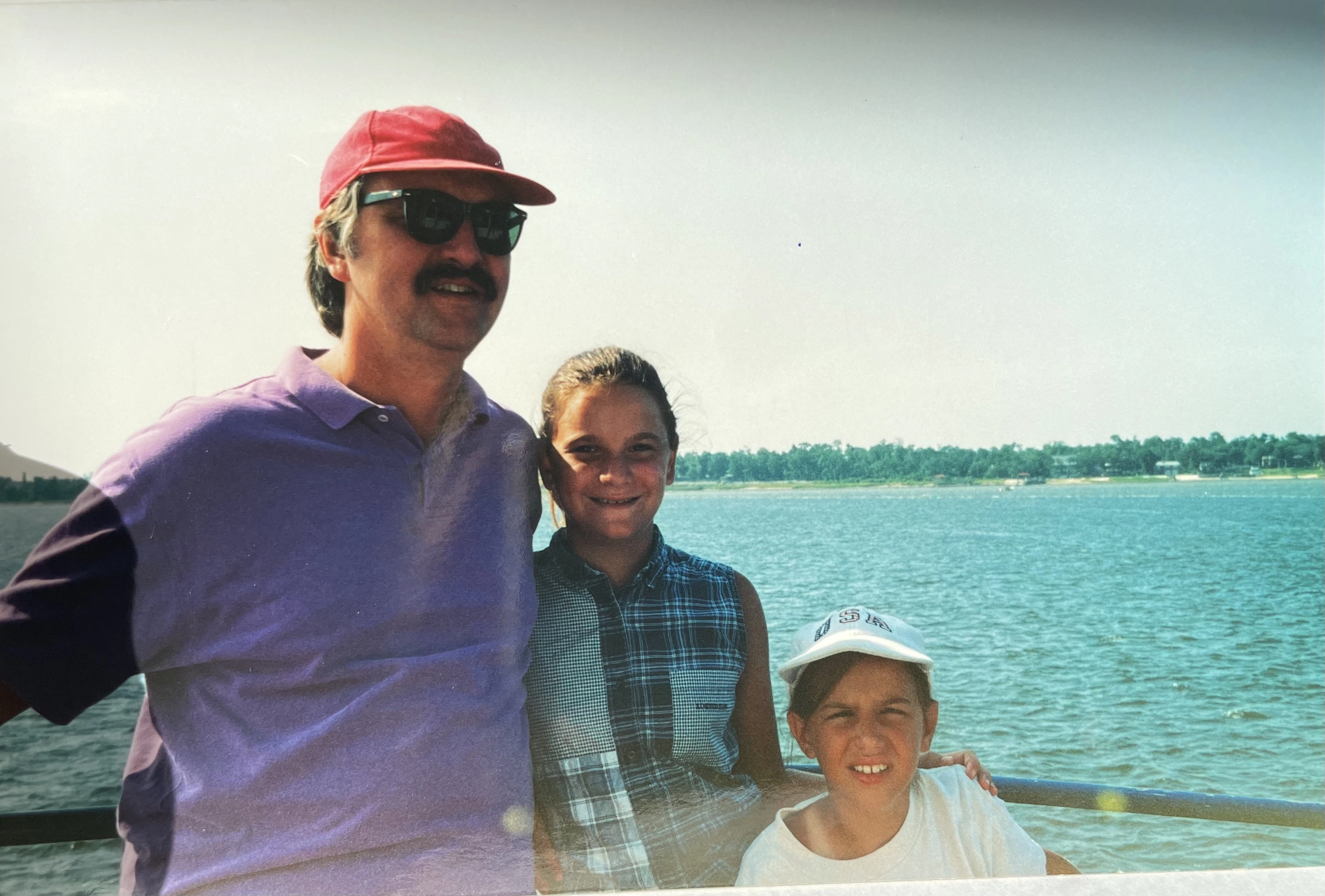
In 2008, Fournier moved to New Orleans to work in public health, and was troubled by the system she found. Her clients, young people at risk of HIV infection, didn’t get any support until they were actually diagnosed with the disease. She noticed parallels with water funding in the city: no money to improve the system until a crisis happened.
After the devastating BP oil spill in 2011, Fournier shifted to work in environmental health. Her new job connected her to tribal members in southeast Louisiana whose outlook on the land inspired her: “you protect the land, and the land is there to protect you,” they told her.
She contrasted this perspective with the city’s failed efforts to control water. Levies and sea walls created poor outcomes for human health. This juxtaposition of world views — control vs. stewardship — inspired her to work with water, where she could lend her hand to protect the environment and people.
.jpg)
Executive Director, Ocean Sewage Alliance
Growing up in St. Louis, Missouri, far from boats and the sea, Fournier remembers how amazing it was the first time she sailed the open ocean: she saw dolphins and flying fish. But as her boat crossed the blue gulf waters and approached Texas and Louisiana, she navigated through oil rigs and pollution: “All of a sudden there [was] a bunch of algae [and] plastic styrofoam plates,” and made her question “what are we here to do?”
Fournier hopes everyone working on ocean stewardship also stays open to new perspectives. A past OSA webinar highlighted the Indigenous perspective on water. One presenter, a hydrologist, spoke about women water protectors in her Mayan culture. Fournier sees parallels in OSA with many women working to protect the oceans.
Our bodies, our oceans: Jennifer Sackeyfio
Jennifer Sackeyfio, who started working with OSA in 2025, also lives in New Orleans and moved there, in part, to be close to water again after living in landlocked parts of the country. But beautiful Lake Pontchartrain, the enormous tidal estuary that hugs the city’s northern border, is polluted. “To go swimming there means you are swimming in sewage,” she said.
Having access to clean water and nature has always been important to Sackeyfio, who grew up in Seattle, on Puget Sound. Her past work with environmental justice sought to extend access to clean water and nature to everyone, especially for communities who lack access to these spaces and those treated as disposable by polluters.
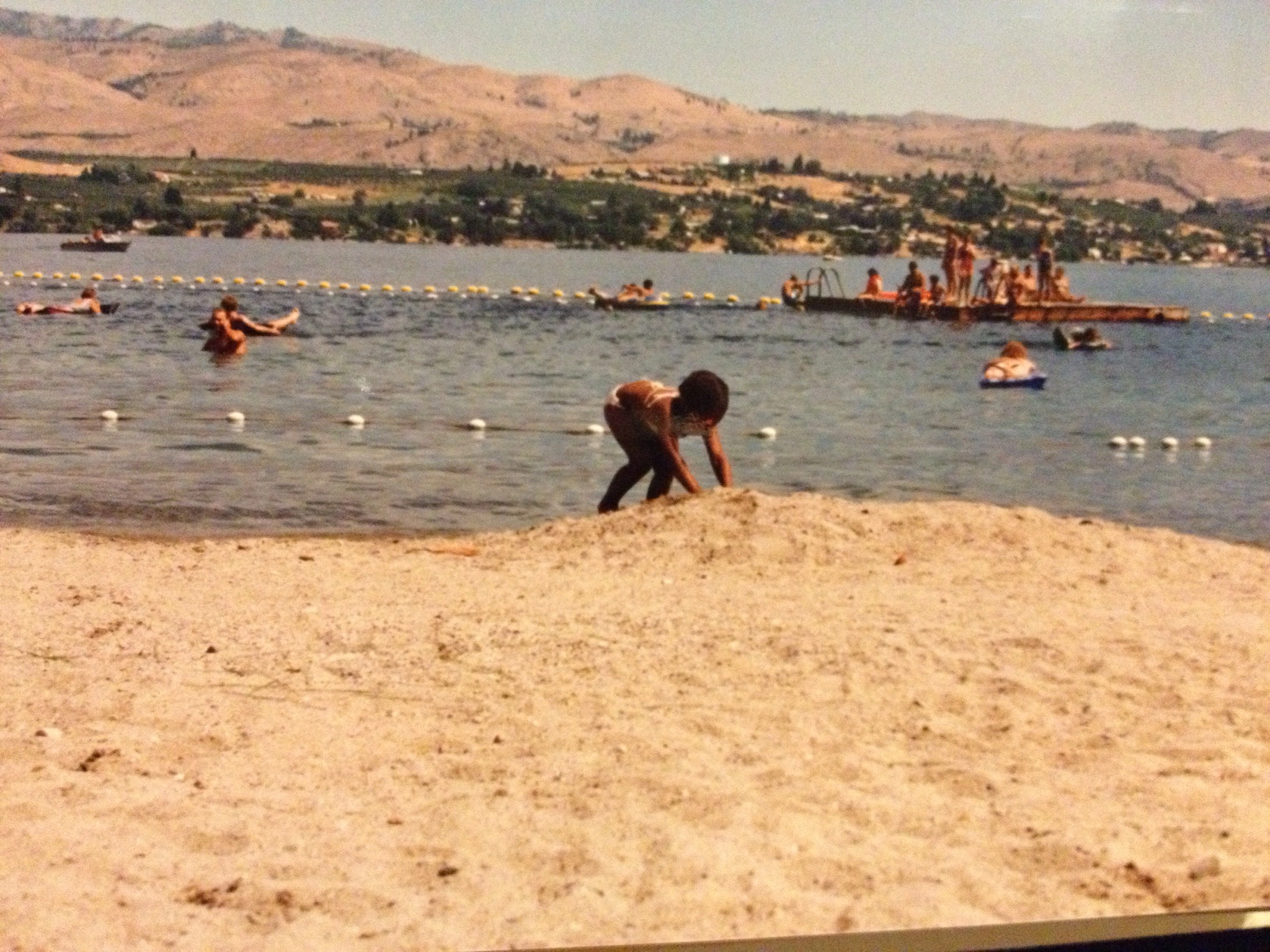
Nature in New Orleans also felt different than in Seattle or other places she’s lived, though. Many of the beautiful places have painful histories: lynching trees, memories of flooding and hurricanes, environmental neglect and loss. There was a tension with water.
She sees a parallel with the duality of our oceans: they are so beautiful and also so impacted by our modern world.
Now, Sackeyfio works with the organization Lift Louisiana on reproductive justice — the right to choose if, when or how to parent in safe, sustainable communities. She wants everyone to have the freedom and ability not merely to survive, but to thrive. When someone has control over their own body, she points out, it connects to many other aspects of their life, such as economic opportunities and overall health, and that connects with the health of the environment.
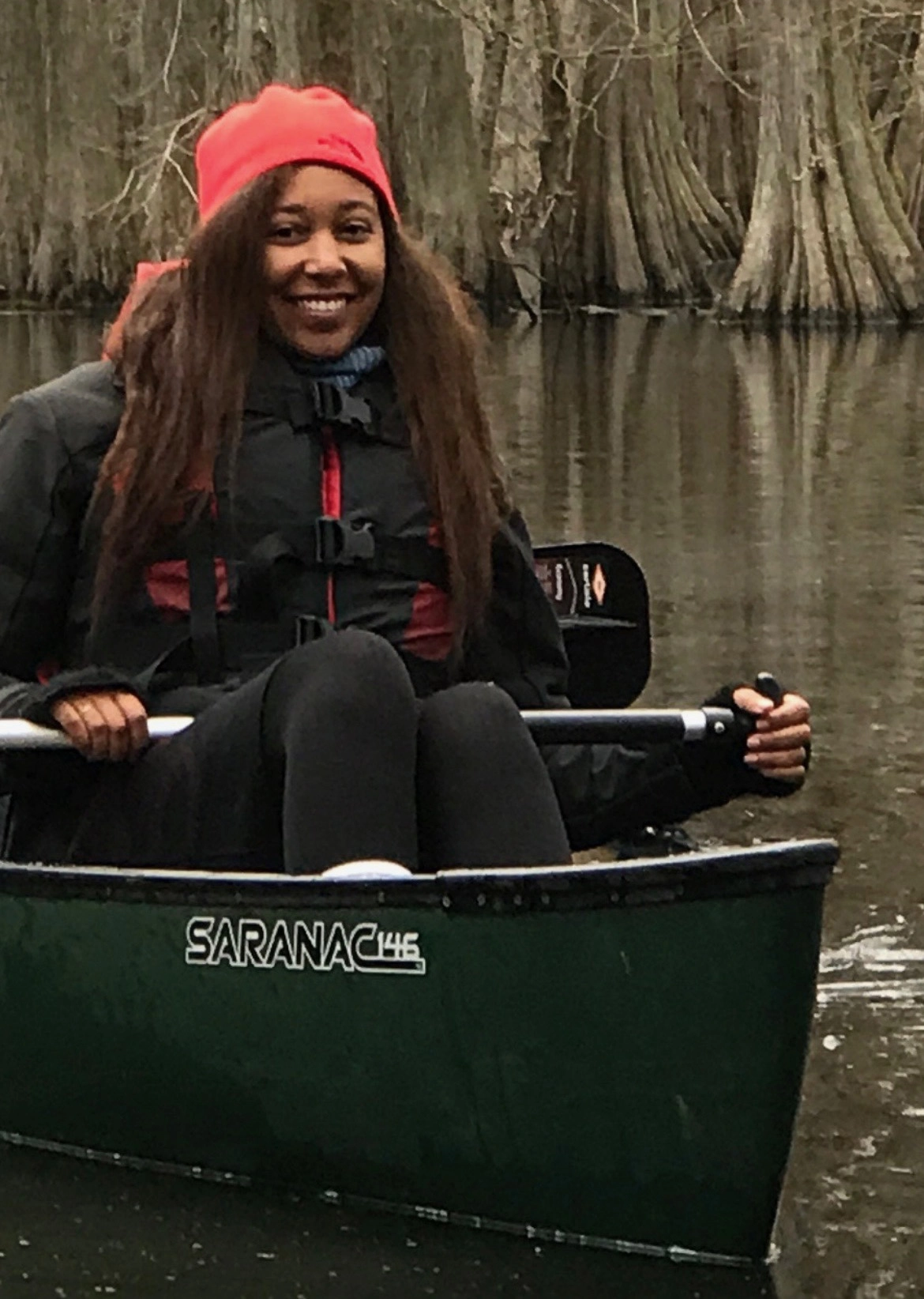
Development Director, Lift Louisiana
It’s important to make this human failure of sewage and water pollution visible, said Sackeyfio. We can tell the stories of who’s affected by the pollution to help others relate to the problem. Pollution touches all aspects of people’s lives, not just their health, but their joy, work and grief, as well as the ecosystem, she said.
Let’s remember, sewage pollution is not normal, she said, and we need to support people doing the unglamorous work of cleaning it up.
For a decentralized future: Ann Thomas
It turns out, global sewage pollution is a relatively recent human phenomenon. Around 150 years ago, newly popular flush toilets flooded cities with wastewater, polluted the rivers, and spurred deadly epidemics.
Leaders at the time linked sewage pollution to public and environmental health problems, and decried the wasting of nutrient-rich human excreta as a problem for the economy and agriculture. This holistic view of sewage, of its potential problems as well as its opportunities, fell out of fashion with the advent of chemical fertilizers.
Now, Ann Thomas, a leader with OSA, works to reconnect these issues and help bridge groups with the same end-goal: sanitation that’s safe for all living things.

Senior WASH Advisor, UNICEF
Thomas, an environmental engineer with UNICEF, lives on Long Island Sound in New York. There, the ocean is often polluted by sewer overflows, but back in Canada where she’s from, her family has a place on a lake with water so clean you can drink it. She knows it’s possible to keep our waters clean and wants to find out “how do we make this feasible for everyone, everywhere?”
Thomas has spent her professional life working on answers. Her field is called WASH, that’s an acronym for Water, Sanitation and Hygiene. Early in her career she was surprised to learn the sanitation portion of WASH got much less attention than water and hygiene. Ann decided to focus on sanitation.
She hopes countries around the world will see sanitation as a public good and stop leaving it up to individual households. Going forward, Thomas doesn’t see the large, water-based sanitation systems as practical for the future. “We need to be able to manage our own waste somehow,” she said.

There are many options for decentralized systems that are smaller, more nimble and more resilient. And these circular sanitation systems do more than just protect the environment; they recycle nutrients to grow more food, or even make energy.
One project she worked on in Indonesia served a community of around 500 homes. The system was embedded within the community; everyone knew how it cleaned their wastewater and made biogas, without bad smells. A local food vendor set up his cart next to the treatment plant and cooked noodles with the biogas. “Everyone ate them,” said Thomas.
Over the past few years, Thomas has worked to bring sanitation solutions to climate and conservation groups. She leads the Climate Resilience Sanitation Coalition. And with the OSA steering committee, she connects the work of conservation and WASH groups, both with goals to protect people and the planet.
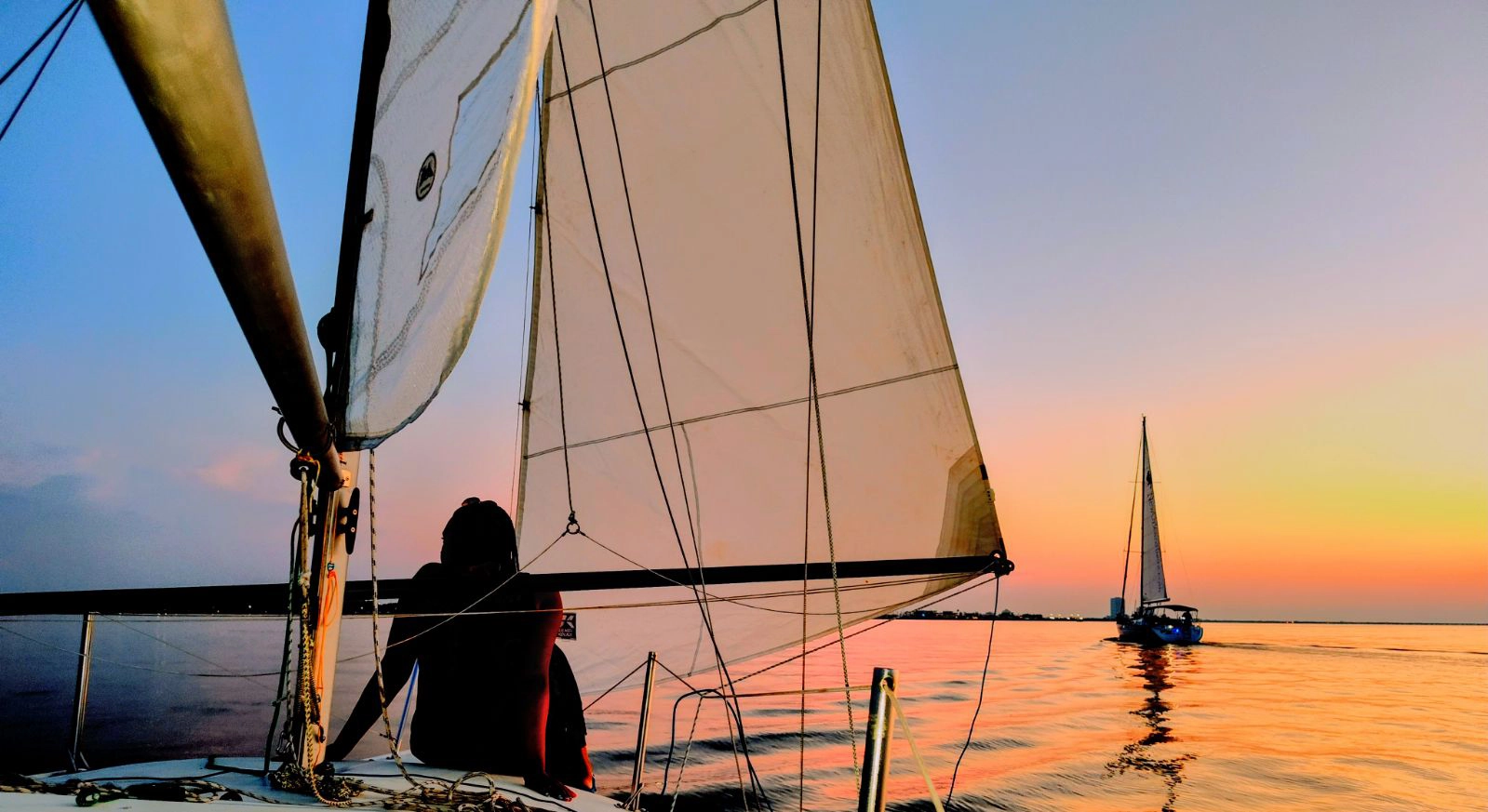
Ode to the Ocean
“The sea is a restless, strong collection of many pieces. / So are we,” writes Gorman in Ode to the Ocean. These six women are part of the many who stand up for our oceans. And you can, too. No matter how near or how far we live from the sea, we are connected.
“May we sing out the ocean’s survival and revival.
Being the people of this blue planet is
our most
profound privilege and power.
For if we be the ocean’s saviors
then it is surely ours.”
Laura Allen is a writer and educator based in Oregon. She co-founded Greywater Action, where she teaches people how to transform their homes to reuse water. She authored the books, The Water Wise Home: How to Conserve, Capture and Reuse Water in Your Home and Landscape, and Greywater, Green Landscape. Her article, For a better brick, just add poop, won the Gold Award in Children’s Science News from the AAAS Kavli Science Journalism Awards (2023). Her favorite pastimes include gardening, hiking, reading and visiting eco-toilets.

.jpg)
.png)
